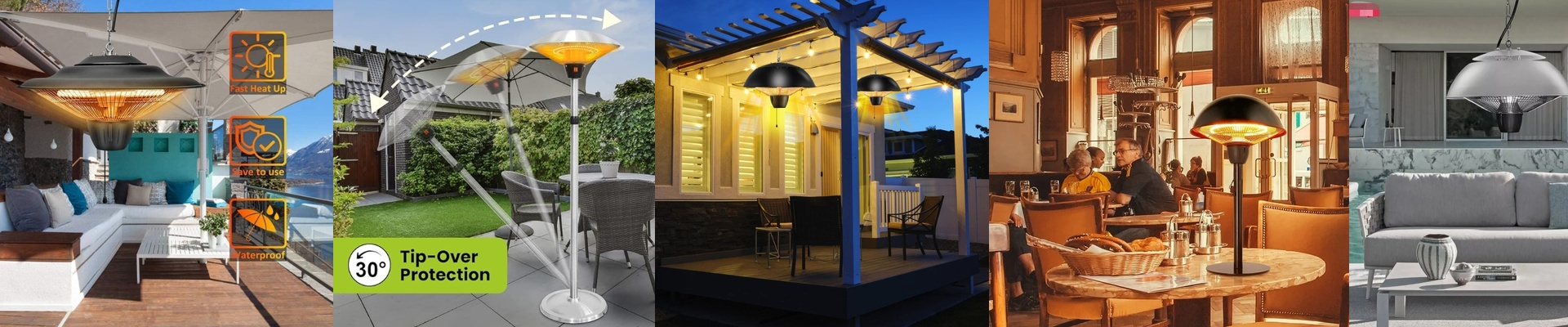

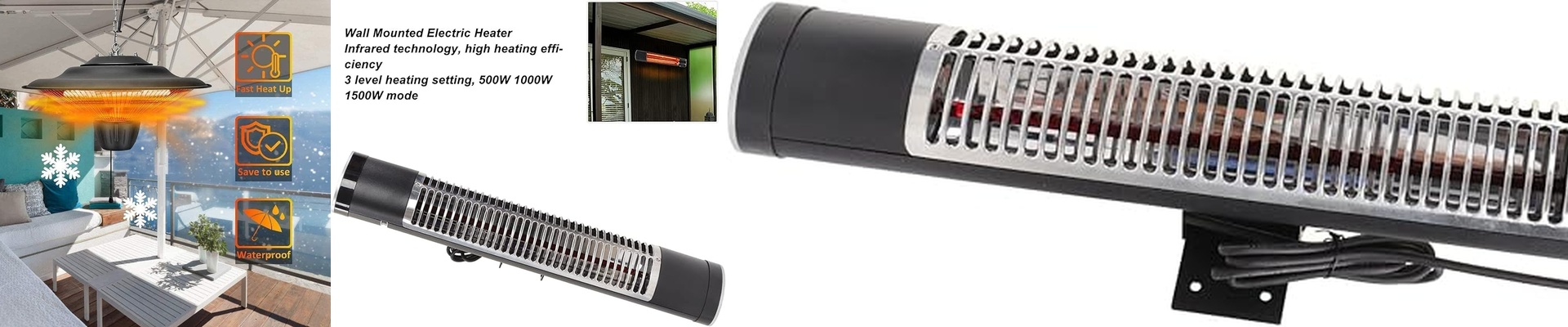


In commercial real estate, winter energy isn’t just a line item—it hits margins and makes ESG performance look sloppy. Tenants feel the cold, they complain. Systems run inefficiently, the building’s carbon footprint climbs. So more property teams are swapping out conventional warm-air setups for targeted infrared electric heaters. They warm people and objects directly, not the air, which means comfort with a lot less wasted energy. Here’s what matters on the technical side. We build these electric heaters around 12V and 24V operation because low voltage makes integration cleaner across commercial layouts—covered walkways, lobbies, partially enclosed common areas. The core is infrared radiant heat, so the warmth lands on people and surfaces immediately, not after the air has to warm up. Inside, you’ll see a durable element—carbon fiber or quartz-based—delivering steady output with fast response. Pair it with a thermostat and you get repeatable temperature control. For outdoor-facing installs, we spec IP ratings to keep rain and dust out, and we include the safety basics: tip-over protection. Why this approach works in shared spaces is simple. People feel comfort as radiant warmth where they stand, not as a blanket of heated air everywhere. Because the heater targets occupied zones, you can keep overall energy use down and still meet comfort expectations. That supports sustainability goals: lower consumption, tighter control, and fewer demand peaks. It also improves the tenant experience, which helps retention and protects asset value. For owners, it’s a practical move—comfort, control, and measurable energy discipline. Now, a few things to keep straight. Low-voltage wiring is easier to work with, but it still needs proper sizing and protection. The cable has to be thick enough for the run and the load, and the circuit needs the right breaker or fuse. These heaters are ideal for targeted areas, not whole-building heating. For best results, pair them with solid insulation, smart zoning, and an outdoor-rated mounting plan that keeps the unit stable and dry.