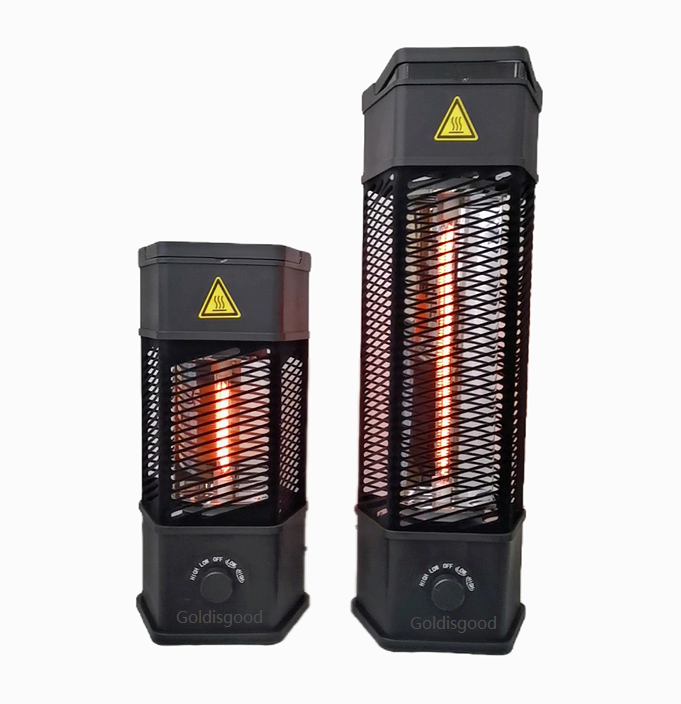
What’s Really Going On Under the Glow: Power, Voltage, and Size
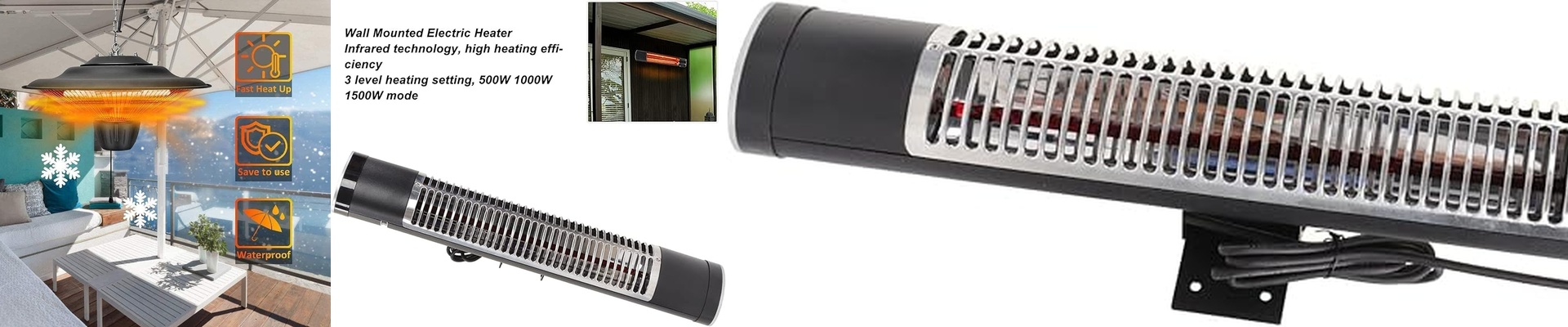
Halogen patio heaters are all about that direct, high-intensity infrared warmth. The specs aren’t just numbers—they set the stage for how the heater actually performs. Most of these lamps run on either 230–240V or 400V, with power up to 2500W. That voltage choice is simply about matching the heater to what your place already has. Smaller setups? Single-phase works. Bigger, denser installations? Go three-phase. And the tube? Usually around 300mm. That keeps the heat footprint tight and focused, so the warmth lands where you want it—on people and surfaces, not wasted on the air.
The Build: Halogen, Quartz, and a Plug That Just Works
At the heart is a quartz envelope filled with halogen. Quartz can take the extreme heat of the filament and doesn’t freak out when the lamp cycles on and off. The halogen part does something smart, too: it helps keep the inside cleaner by sending tungsten back to the filament. That means the output stays steady over the life of the lamp, instead of fading as it ages. For the connection, you’ve got the R7s base—compact, bi-pin, and made for easy mounting in reflector setups. It gives you solid contact and consistent alignment, so swapping a lamp is quick. No rewiring. No hassle.
Real-World Patio Heating: Fast Warmth, Direct and Intentional
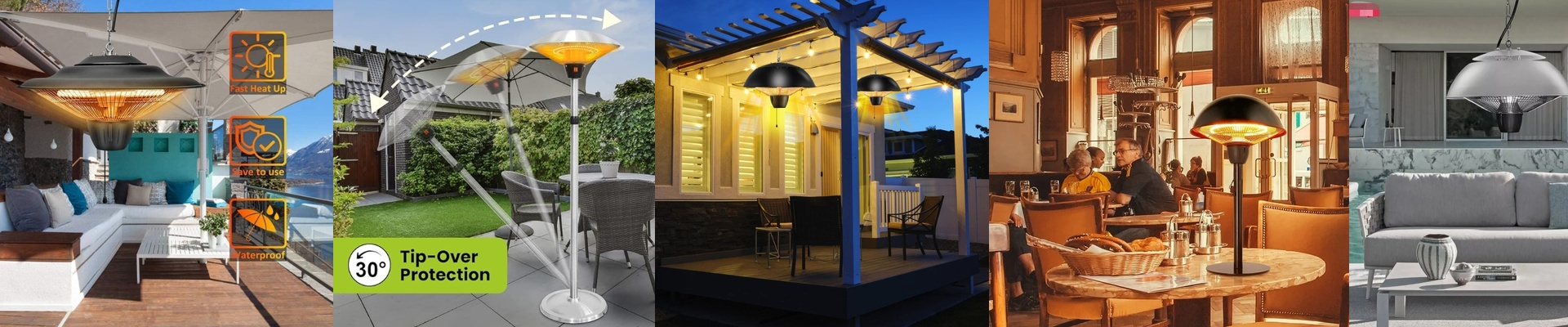
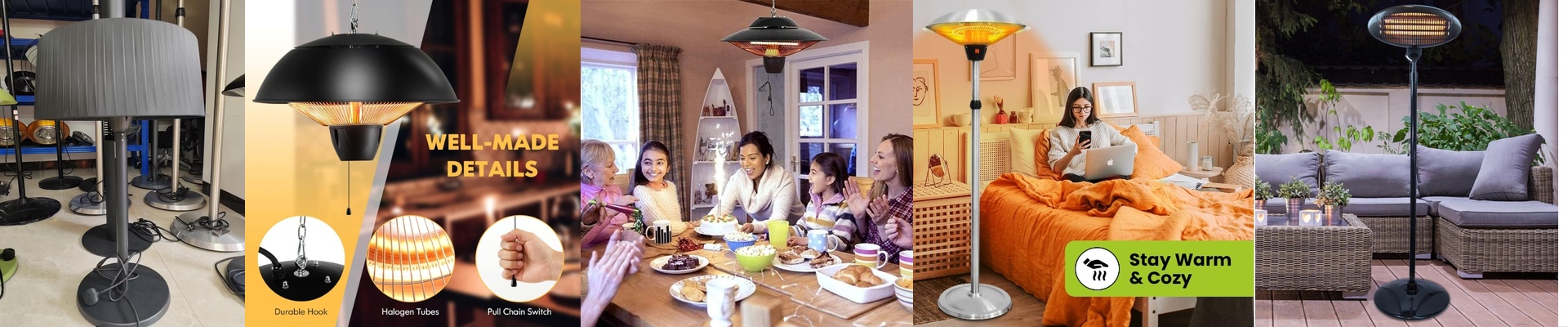
Out on a patio, you don’t want to wait around. You want radiant heat that shows up fast and goes where you point it. Paired with a reflector, this setup warms up quickly and gives you directional control—so you can aim the comfort where people actually are. Now, that intensity comes with a little responsibility. High heat density means you need proper clearance and enough airflow, and you want to keep nearby components from taking too much thermal load. Plan your mounting height and ventilation, and what you get is a dependable heat source that’s easy to service—perfect for commercial patio life.