
Why We Use Infrared for Smart Pizza Ovens
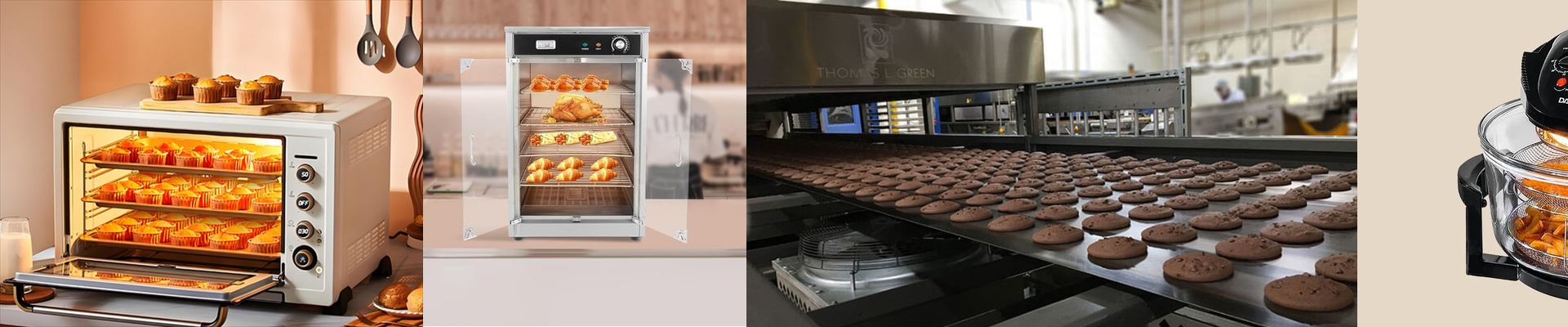
Modern kitchens are moving toward heat that reacts now, not in ten minutes. For our stainless steel ovens, we’ve ditched the old-school heating elements for short-wave halogen infrared lamps. Here is the big difference: these lamps don’t waste time warming up the air around the pizza. They just beam heat directly onto the food. It’s immediate.
How the heat actually works
Inside those quartz bulbs, there’s a tungsten filament and some halogen gas. That combo lets the bulb get incredibly hot without turning black or burning out instantly. You end up with a concentrated beam of energy that hits the dough and toppings head-on. When we pair that with a PID controller and a thermocouple, you can hit your exact temperature in seconds. No guessing. No waiting.
Building it to last
We wrap these lamps in stainless steel frames. Why? Because things expand and shrink when they get that hot, and stainless steel doesn’t warp under the pressure. We also use R7s slide-in connectors. We’ve all been there—a bulb burns out at the worst possible time. With these, you just slide the old one out and pop a new one in. You don’t have to take the whole oven apart just to fix a lightbulb.
The tricky parts
Now, these high-wattage tubes pack a punch. They’re amazing for getting that perfect, charred crust, but they’re thirsty for power. If you’re building an array with multiple lamps, you’ve got to make sure your wiring is thick enough to handle the surge when you flip the switch. Also, quartz glass is fragile. It can snap if it rattles too much. That’s why we spend so much time on the mounting brackets—they have to soak up the vibrations so the tubes don’t crack during shipping or while the oven is humming along. We can tweak the length and wattage to fit whatever space you’re working with. Whether it’s a small 300mm tube for a home kitchen or a massive array for a commercial shop, the goal is the same: every inch of that pizza gets the same amount of heat.