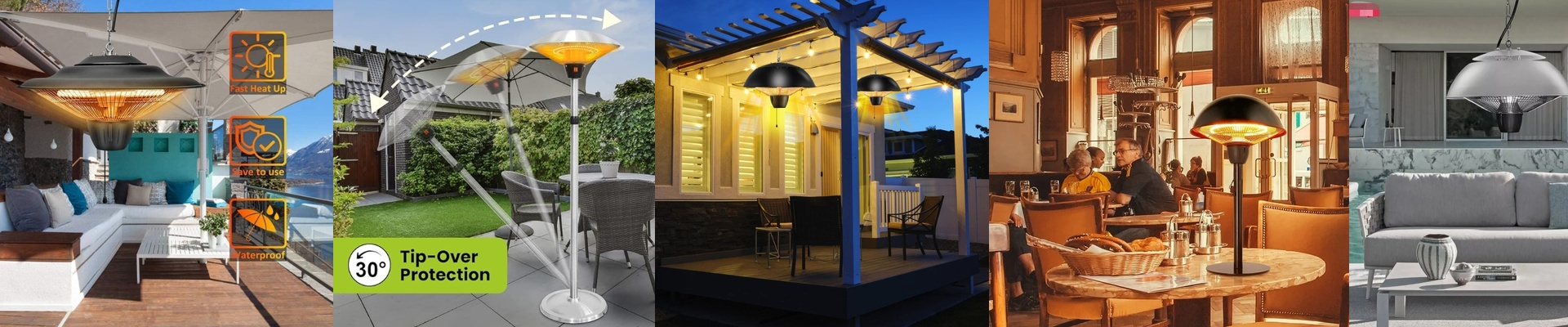
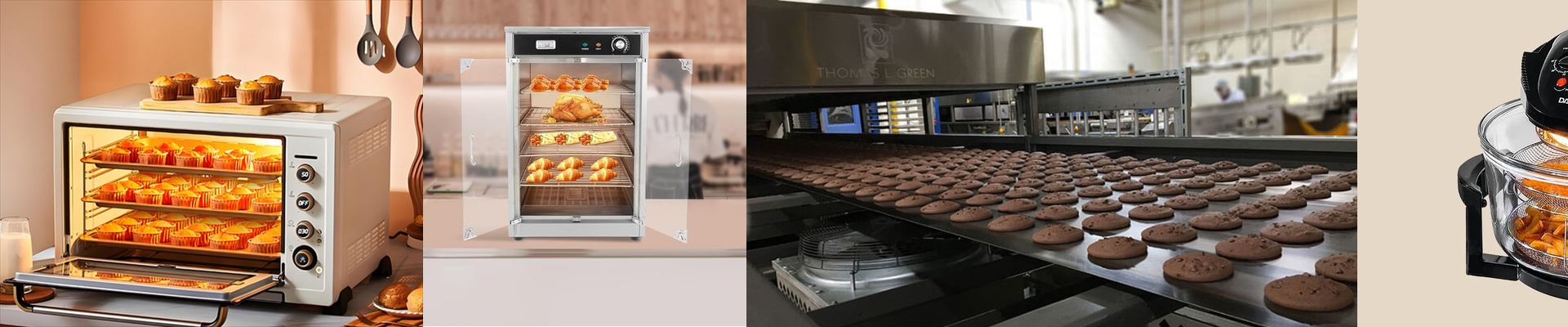
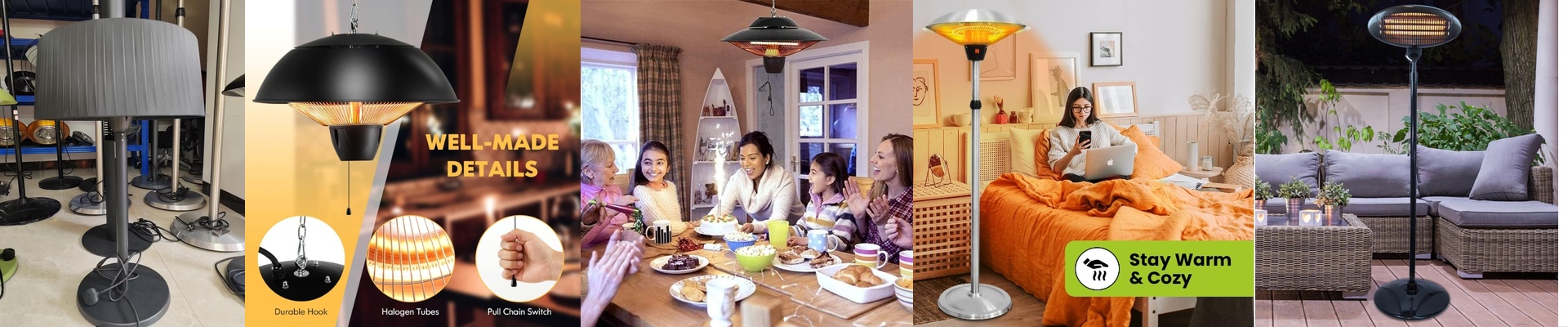
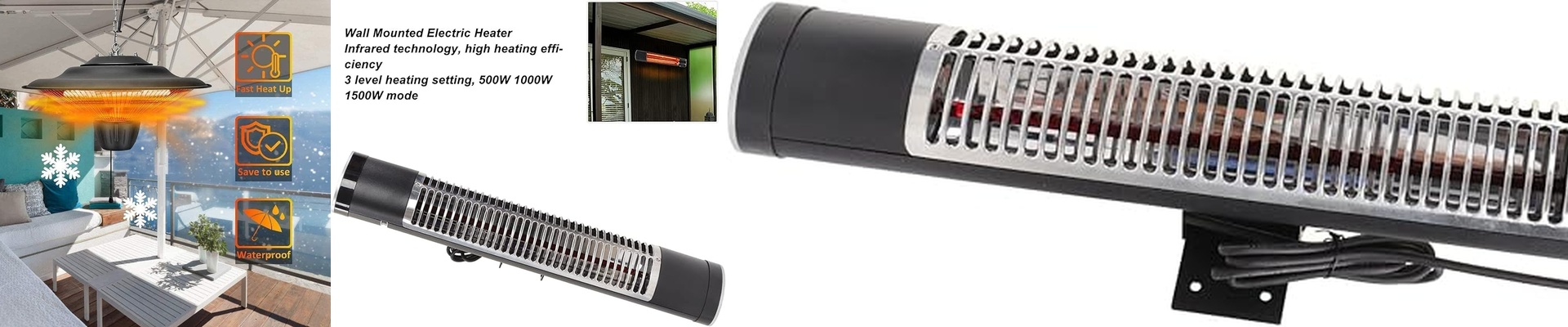
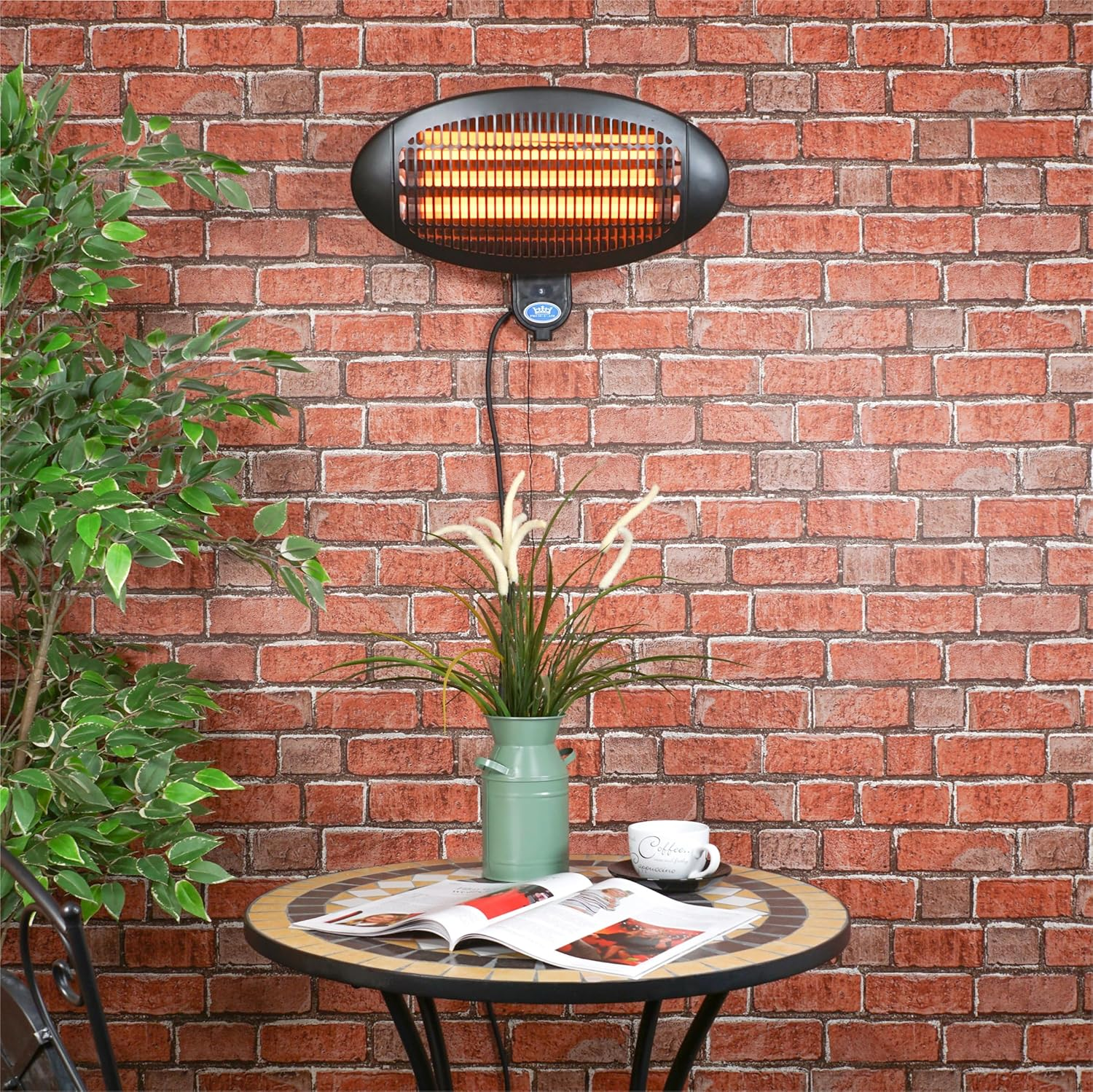
We built this space heater for a very specific kind of problem: you need intense, focused heat—but you absolutely can’t have the noise and bulk of a forced-air system. So we went a different route. It runs on a tough halogen heating lamp that throws out high-intensity infrared heat. That makes it perfect when you’re heating a tight spot, or supporting a process in a compact area where things can’t be disturbed.
What’s actually under the hood
The heart of it is a high-output halogen element, usually rated at 2500W and running off a 400V circuit. That higher voltage matters. It lets us deliver serious power without pushing the current through the roof, which keeps wiring lean and helps prevent voltage drop over distance. The lamp tube is 300mm long, so the heat stays concentrated in a defined zone. You get a lot of power in a small footprint. Just know this: that heat is serious, so the enclosure and mounting hardware need to be rated for the thermal load. Plan for it, and it behaves.
Materials and design—built to take the heat
We wrap the heating element in a quartz envelope because it handles rapid heating and cooling cycles—and it can take the high temps without flinching. Inside, the halogen cycle keeps the filament stable. It resists burnout and helps maintain consistent output over time. And the R7s connector? It’s a simple bi-pin setup that locks the lamp in place, gives solid contact, and prevents arcing. When it’s time for maintenance, swapping the lamp is straightforward—drop it in, and you’re back up.
Who this is really for—and what it feels like
This heater is for engineers who need predictable heat where air movement is the enemy. Infrared heat hits the target directly, without wasting time heating the surrounding air. That means faster response and better energy efficiency. And the quiet isn’t about comfort. It’s about removing mechanical noise and air turbulence that can mess with precision equipment or clean-room conditions. Just keep in mind: you’re dealing with localized, high heat. So set up your thermal management with that in mind, and you’ll get exactly what you need—without the distractions.