
Introduction
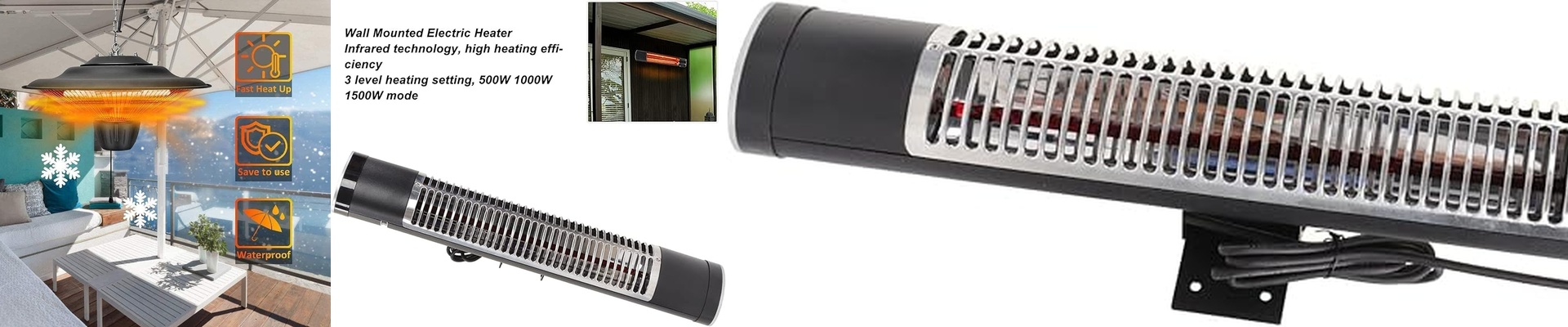
Let’s be real: heating a garden shed is tricky. Space is tight, the weather’s unpredictable, and you just want something that works without making you nervous. So we built this wall-mount infrared heater with one thing in mind—safe, dependable warmth in a space like that. The heart of it is a high-output infrared heating lamp, wrapped in an explosion-proof quartz tube. This wasn’t a “nice-to-have.” It was a must-have, because when you’re heating a small, sometimes damp space, safety can’t be an afterthought.
How It Actually Works
It plugs straight into standard mains power, so you’re not messing with complicated wiring. The design keeps it compact and mounted on the wall, out of your way. Then it throws radiant heat downward and outward—right where you need it. We tuned the tube length and wattage to cover a typical shed without tripping breakers. The whole point is simple: lots of heat, in a small footprint.
What It’s Built With (and Why It Matters)
That explosion-proof quartz tube is the backbone. Quartz handles rapid heating and cooling without losing its punch, even when the unit cycles on and off a lot. And the explosion-proof build? It contains any pressure event inside, so the tube won’t rupture and put your shed at risk. The R7s connector is another practical touch. It gives you a secure, high-temperature-rated connection that’s quick to wire up and stays tight even when things vibrate or expand and contract with heat.
Why This Feels Different in a Shed
In a garden shed, you want heat that jumps into action—fast. You want it to chase out damp corners, but you also want it to keep things calm and safe. Infrared does that by warming objects and floors directly, instead of wasting energy trying to heat the air. The result? Quicker warm-ups and lower energy draw compared to big, bulky convection heaters. Now, there is a trade-off: the heat is focused, so placement matters. That’s why we designed it for wall mounting—so you can aim the warmth where you want it. For engineers and installers, it means a tough, straightforward unit that drops in easily and gets wired up without a bunch of extra ducting or heavy infrastructure. Bottom line: it’s a reliable heat source that keeps your shed usable, even when the temperature drops.