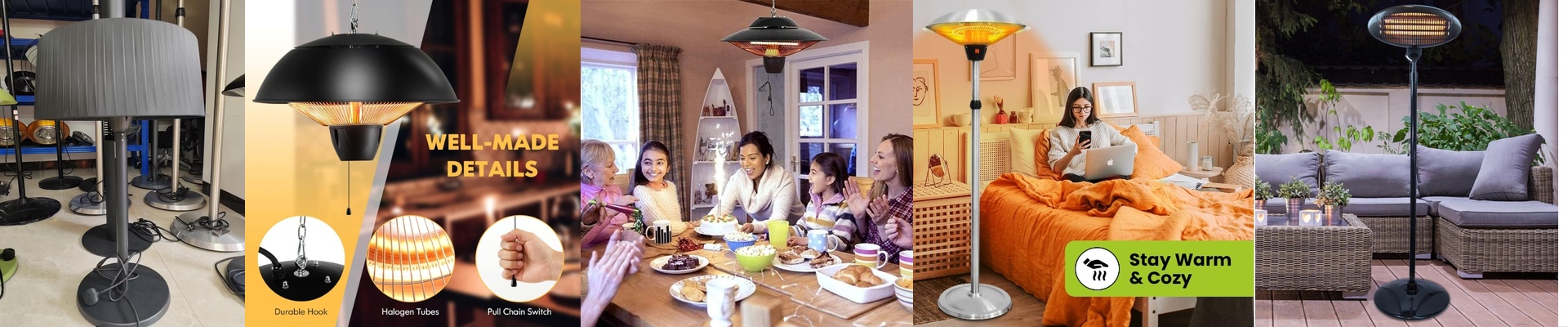
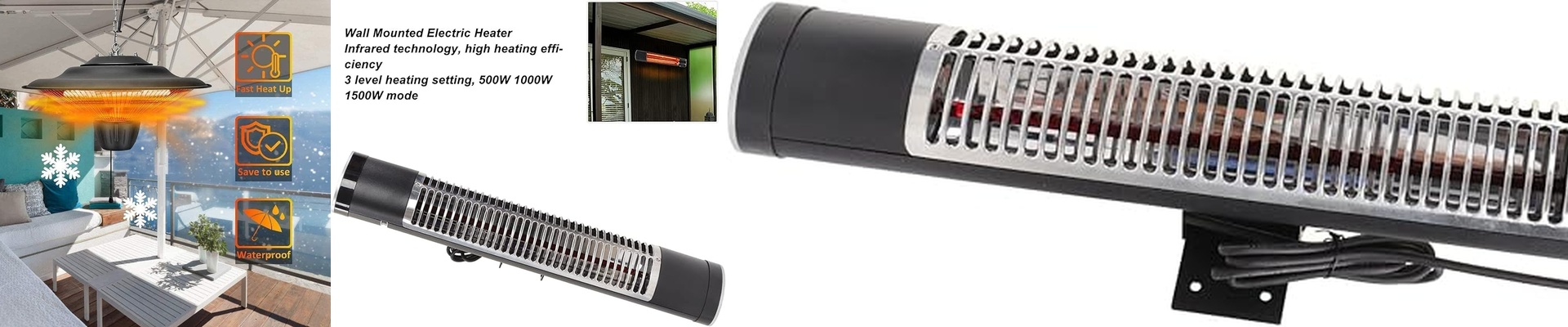
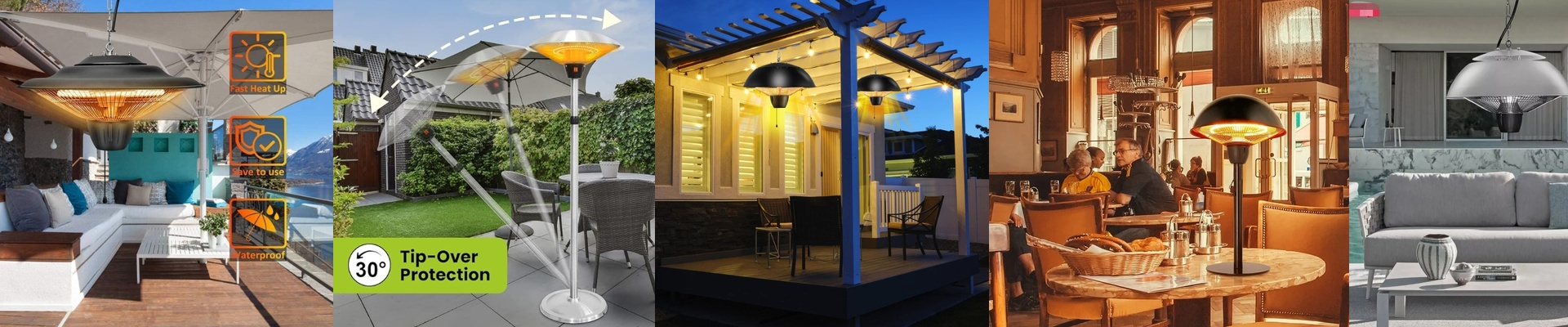
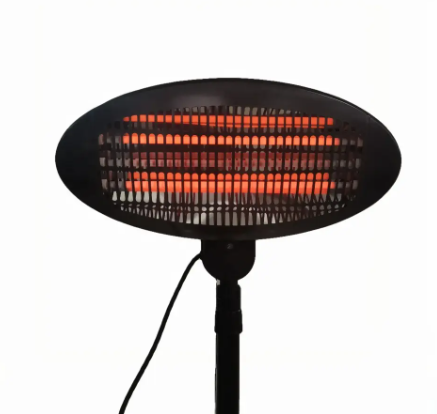
A nursery can be peaceful—until the air turns cool and the baby’s sleep turns restless. In those moments, you don’t want a heater that blasts air, kicks up dust, or hums and clicks. You want quiet, even warmth that shows up fast and holds steady. That’s exactly where an infrared baby room heater earns its keep: it warms people and objects directly, so the room feels cozy sooner, without the drafty ups and downs of a forced-air unit. What matters under the hood We build our baby room infrared heaters around radiant heat, using a halogen or quartz element that delivers gentle, directional warmth. The comfort feels like standing near a sunny window—warm on the skin, without that dry, circulating air. Since babies spend so much time on the floor, we focus on even coverage across low surfaces, not just heat measured up at the ceiling. We also design for stable operation at the voltage your home runs on, with options for multiple international voltages and plug standards, so the unit is ready to plug in and run safely where you live. In a nursery, consistency is the whole game. Infrared warmth helps hold a stable temperature around the crib and changing area, which matters during night feedings and early-morning routines. Because the heating is radiant, there’s no fan noise to wake anyone, and no moving air to stir up allergens. For parents, it’s straightforward: pick a comfort setting, and the room feels calm and warm within minutes. For households around the world, the customization means you can match the unit to your local voltage and plug type, so you’re not hunting adapters or cutting corners on safety. Placement matters. Keep the heater at a safe distance from cribs, curtains, and bedding, and stick to the clearances in the manual. Most units are designed for indoor use and shouldn’t be used in damp spots unless they’re rated for it. Also, infrared heating is efficient for targeted comfort, but it warms objects and people directly, so in very cold conditions the room air may not feel as warm as the surfaces. Size the unit for the room, and if you’re unsure, step up a wattage and run it on a lower setting.