
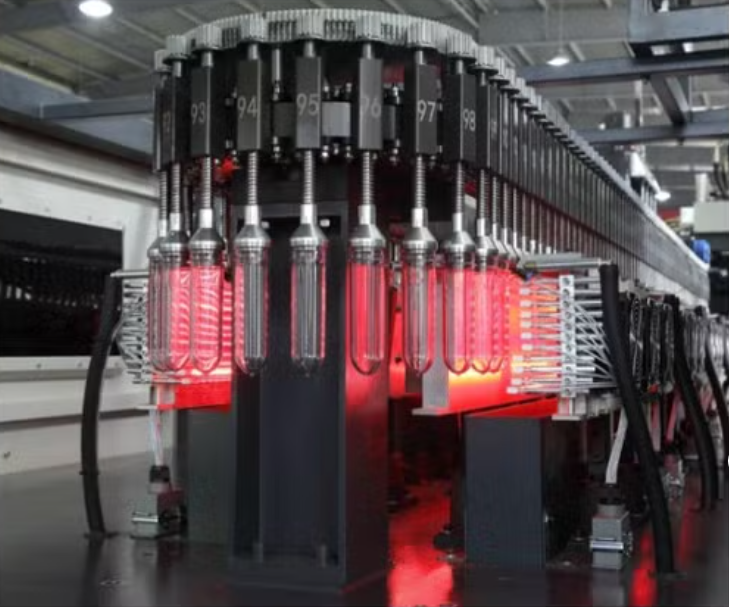
On a SIPA stretch blow molding line, the heating tunnel is where the whole cycle lives or dies. Underheated preforms come out with white stress lines and weak shoulders. Overheated ones sag and wrinkle before the stretch rod even gets moving. When the original IR emitters drift, you end up chasing temperature bands up and down the tunnel—and every minute spent recalibrating is another minute of scrap and downtime. What actually matters under the hood We build the SIPA-matched IR radiator as a calibrated heat source, not some generic lamp. The specs are chosen to match the OEM’s heating zone geometry: rated power aligned to each zone’s duty cycle, filament temperature matched so the spectral output is predictable, and standard R7s connectors for direct termination. The quartz envelope takes the thermal shock of rapid on/off cycles, and the emitter geometry repeats the same hot-zone profile position after position. In practice, that means repeatable preform heating with tighter control over the window—less variation in wall temperature, and fewer swings in bottle weight and clarity. Why it holds up in a SIPA tunnel With a 1:1 fit, you stop fighting clearance issues and mismatched wattage. The emitter profile puts heat where the preform needs it, which stabilizes stretch behavior and cuts down on flash and stress marks. Energy use drops because the emitters hit setpoint quickly and hold it without overshoot, and longer service life means fewer changeovers and less spare inventory sitting in the crib. The result is fewer line stops, more consistent bottles, and a cost per thousand you can actually plan around. The practical details Installation is straightforward—verify voltage per zone, confirm the R7s contacts, and clean the reflector before seating. But the tunnel is a harsh environment. Keep emitter alignment tight, and inspect for hot spots or uneven heating after the first 200 hours. For the best performance, pair the replacement with a full reflector check and recalibrate zone temperatures to match the new emitter output.