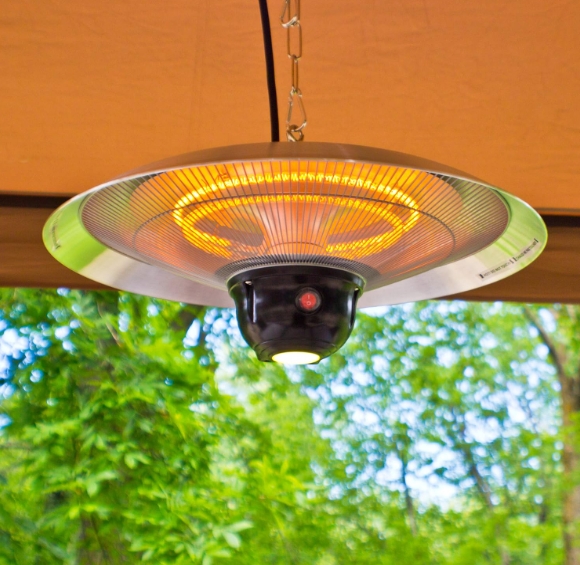
Why your bathroom heater shouldn’t feel like a tanning bed
If you’ve ever used a high-ceiling infrared heater, you know the deal. They usually blast short-wave radiation to move heat across a big space. But when you’re using one in a bathroom—especially if there’s a baby involved—the heat isn’t actually the problem. It’s the light. Standard halogen lamps are blinding. That harsh glare isn’t just annoying; it’s actually dangerous for sensitive eyes.
Fixing the glare
We figured out a way to stop that blinding light by messing with the quartz envelope and the filament. Basically, we use a special coating or “doped” quartz to act as a filter. It blocks out the UV and the intense visible light, pushing the energy toward the long-wave infrared spectrum instead. You still get all that cozy warmth on your skin, but you don’t feel like you’re staring into the sun.
Thinking about the eyes
The hardware matters too. We don’t just slap a bulb in a box. We use deep-set reflectors and diffused lenses to break up the line of sight. The idea is to get rid of those piercing “hot spots” of light. You want a soft, gentle glow, not a laser beam hitting you in the face.
The trade-offs (because there’s always one)
Here’s the catch: filtering that light costs you a bit of efficiency. When you block the visible light to save your eyes, the lamp doesn’t put out as much raw energy. To keep things feeling just as warm, you might need to bump up the wattage. If you’re designing a system with heavy filtering, just make sure your power supply can handle the extra load. Otherwise, you’ll lose that thermal punch. And since this is a bathroom, we build these things to take a beating. Moisture is the enemy here. If steam or water hits that coated quartz, it leaves spots that ruin how the light spreads. That’s why we don’t mess around with the housing—it has to be properly IP-rated and sealed tight. No exceptions.