Introduction
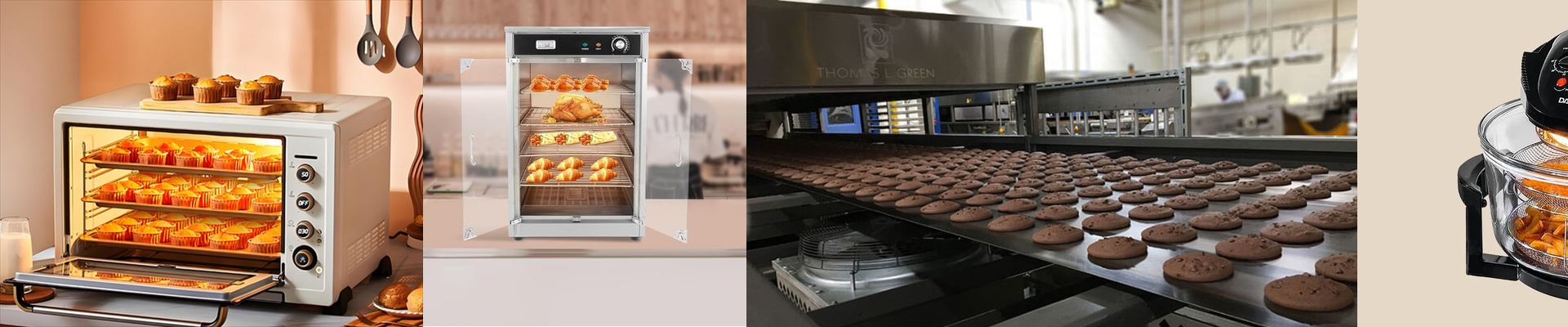
Ever had something come out of the oven dry? You know the feeling. When a convection oven runs too hot, it strips away all the moisture. Not good. So, we built infrared heaters specifically for convection ovens. The point isn’t just speed. It’s about hitting the right temperature, right where you need it, without overshooting. Fast, focused heat. That’s the difference.
The Nitty-Gritty
Here’s the thing about infrared in a convection oven: it’s all about power and how quickly it responds. A halogen infrared heater can get to the target temperature almost instantly because it packs a ton of heat into a small space. This means your oven recovers fast after you open the door. And it holds steady, even when you’re running full tilt. We match the wattage and voltage to your oven’s specific needs. Higher wattage gives you that quick punch to ramp up, while the voltage is chosen to fit your existing power setup. And the length? That’s picked to match the oven width perfectly, so you get even heat. No hot spots. No cold spots. Just consistent coverage.
What It’s Made Of
Halogen infrared heaters are built with a quartz tube and filled with halogen gas. This combo keeps the filament stable, even when it’s screaming hot. It’s a tough setup that holds up to the shock of turning on and off, over and over. The coating on the tube is carefully chosen to shape the heat spectrum, focusing the energy in the near-infrared range. This means the heat is absorbed right at the surface, fast. And on the shop floor, the details matter. We use an R7s base because it’s simple. It locks in securely and lines up perfectly every time. So when you need to swap a heater, it’s a quick, easy replacement. No rewiring. Just plug and play.
How It Works For You
Inside the oven, the infrared heater hits the product’s surface directly. Meanwhile, the convection air does its job, circulating heat and carrying away moisture. It’s a tag-team. The infrared delivers a quick blast to sear and set the surface, while the airflow controls the temperature inside. And the result? Consistency. You get faster heat-up, better control, and you don’t dry your product out because you don’t have to crank the heat to the max just to keep up. Now, a heads-up: this kind of high heat density means your oven’s cooling and airflow have to be up to the task. If they aren’t, heat builds up and can shorten the life of the components. But when everything is matched up right, you get a system that cuts cycle time and keeps all the moisture locked in where it belongs.