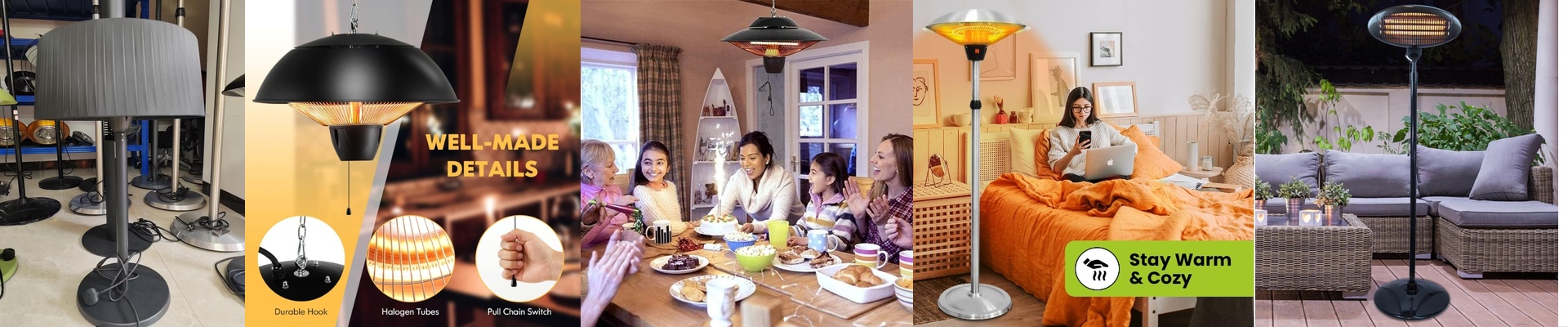
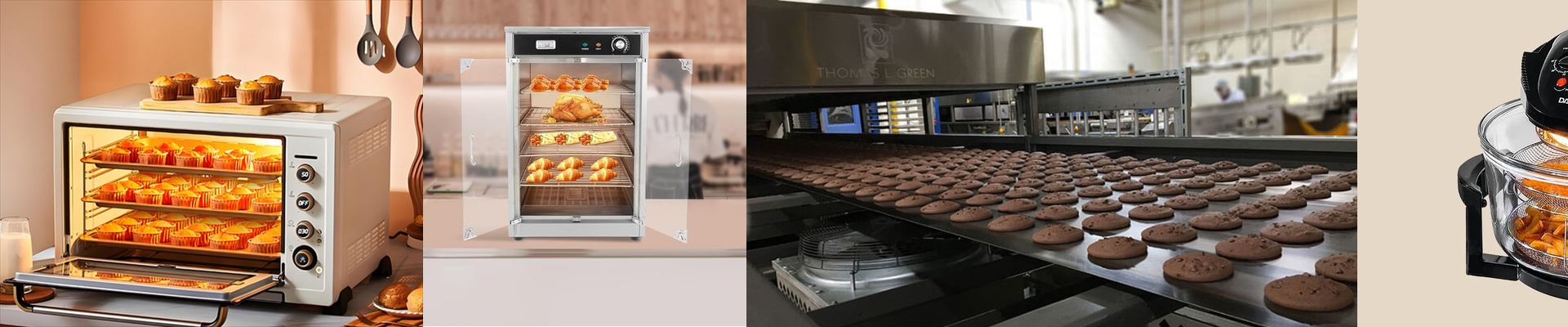
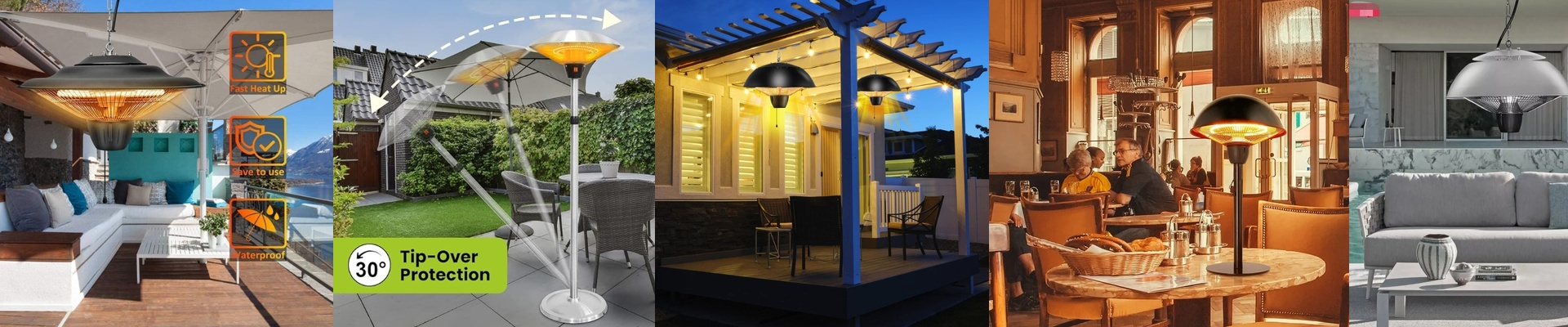
When the rush hits, your deck oven has to snap back fast. One slow recovery throws the whole line off—dough that sags, sauce that runs, and a crust that just misses. We built the 220V/110V IR heating lamp to make that moment predictable. What matters under the hood This lamp uses short-wave quartz infrared to drive heat straight into the baking chamber, not just into the air. Go with 220V when you need higher power density in deck ovens, or 110V where the circuit load is tighter on countertop units. Warm-up is quick, and the beam pattern hits the stone hearth or pan surface where it counts. The quartz envelope handles thermal shock from repeated on/off cycles, and the filament geometry keeps output steady through long runs. Here’s why it matters in a busy kitchen: recovery time is the bottleneck. IR heat brings the stone back to target faster after each load, so every pizza bakes on schedule. The focused heat improves caramelization across the bottom crust without drying out the top, and it holds set without driving the thermostat into overshoot. In rotary ovens, the lamp helps keep pan temperatures consistent between loads, so you get less variance from batch to batch. You also cut energy use because you’re heating mass, not wasting time heating air. A few practical notes. IR lamps perform best when aimed and shielded correctly. You need clear line-of-sight to the product, and reflection off stainless can create hot spots if the geometry is off. Make sure your oven’s mounting, wiring, and thermostat are compatible—especially on older units where the control may cycle faster than the lamp likes. Match the voltage to your kitchen’s supply, and size the lamp to the cavity depth so you get even coverage.