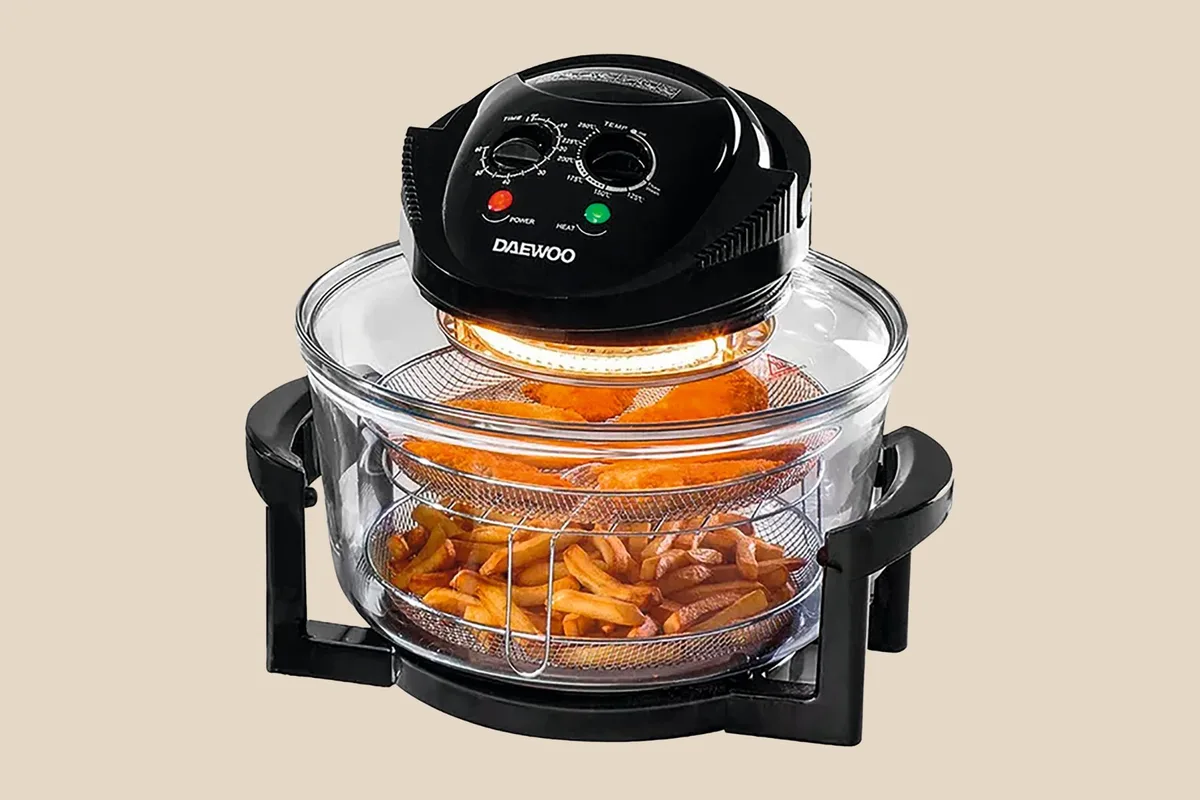
The Fast-Response Heating Element, Explained Like We’re Standing in the Shop
Here’s the truth about these fast-response infrared heating elements: they were built with one job in mind. Getting your oven to the right temperature—fast—and then staying put. Especially in a rotary oven, where everything is constantly moving, you can’t afford a heater that takes its sweet time. You need one that hits full power in seconds. That speed is what keeps the heat steady, cycle after cycle, whether you’re searing proteins or getting that perfect crisp on a pastry.
It’s All About the Power, Not the Bragging
The specs aren’t just numbers on a page. A typical setup runs at 400V, with the power tuned to the tube’s length—say, around 300mm. That combo packs a serious punch in a small space. Which means you can drop this heater right into those snug reflector assemblies without having to tear apart the whole oven design.
What’s Inside Makes All the Difference
Inside, you’ve got a halogen shortwave infrared lamp, all tucked into a quartz tube. The halogen cycle does its thing, keeping the filament stable even when it’s screaming hot. The result? Consistent, reliable output over time. And that quartz tube? It handles the shock. Turning on and off at full speed, over and over, without cracking—even when the oven swings from dry heat to a blast of steam.
Don’t Overlook the Little Stuff
The connector choice is one of those details that only matters when it goes wrong. We use an R7s base because it locks in a solid, aligned connection. It’s a quick job to swap out during service. Plus, it handles the physical load of the tube in a rotating setup without creating stress points that lead to early burnout.
The Rotary Challenge: No Shadows Allowed
In a rotary oven, the heater has to cover everything, all the way around. No hiding. We rely on the lamp’s shortwave output and the reflector design to spread the heat evenly across the entire cavity. As the spit turns, the food gets hit with the same radiant heat from every angle. No cold spots. No soggy patches. Just even, consistent cooking.
The Power Has a Price—Plan For It
Let’s be real. A 400V, 2500W tube throws off a lot of heat. That means your oven’s cooling and ventilation have to be up to the task. If the control system can’t handle the ramp-up, you’re going to beat up the lamp and the parts around it. But get that thermal management sorted from the start, and this heater becomes a workhorse. Fast. Focused. And easy to service when it needs a little care.