


Introduction
If you’re running a Husky HyPET high-speed system, you know the real bottleneck isn’t just the mold. It’s getting enough heat into the preform fast enough to keep up with the pace. We built our replacement lamp to fix exactly that. It’s a 400V, 2500W halogen heater, designed specifically for the Husky HyPET oven zones. It drops right in, and it has one job: drive heat deep into the PET preform wall—without scorching the surface.
The power, the fit, and why it matters
The 400V supply and 2500W output aren’t random specs. They’re chosen to pack serious heat into a small space, matching the tight thermal needs of a high-speed PET line. And the 300mm tube length? That’s the standard size for the oven zone. So you get full coverage across the preform shoulder and body without messing with the reflector setup. You get fast ramp-up and steady temperature control. But here’s the thing: that kind of power in a 300mm envelope means the electrical feed and cooling have to be up to the job. Keep airflow and thermal management steady, and you avoid overheating nearby parts.
Built to survive the grind
We use a quartz envelope because it handles the shock of rapid on/off cycling and sends shortwave infrared energy straight where it needs to go. The halogen fill keeps the filament stable over time, so output stays consistent—no drift, even during long runs. Then there’s the R7s connector. It’s the detail that quietly saves you headaches. It gives you solid, two-point contact that can carry high current and resists arcing when the machine is shaking. On a system that cycles nonstop, that kind of connection matters: less resistance, fewer hot spots, and fewer surprise stops.
What it feels like on the line
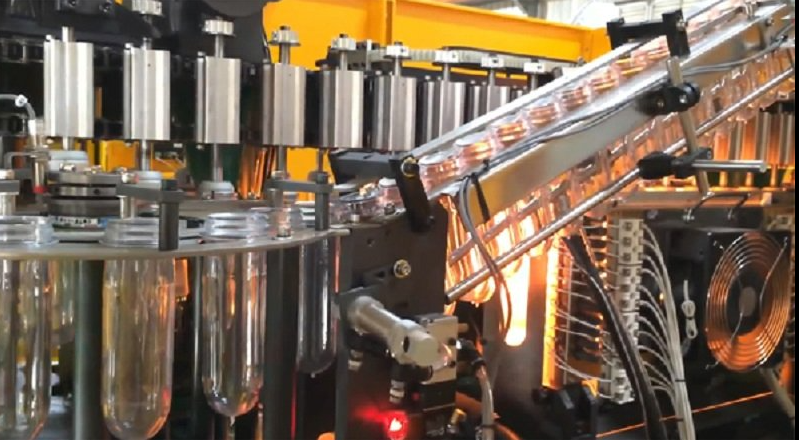
On a Husky HyPET system, this lamp is tuned for high-penetration heating. The energy gets inside quickly, so the surface doesn’t overheat before the interior hits the right temperature. The payoff is consistency—one repeatable thermal profile after another, shot after shot. That means fewer rejects from uneven stretch. And the best part? Installation is simple. It’s a direct replacement, and the R7s interface lines up with what’s already there. For engineers, that translates to less changeover time, stable output across the service interval, and predictable performance at the cycle speeds the system was built to run.