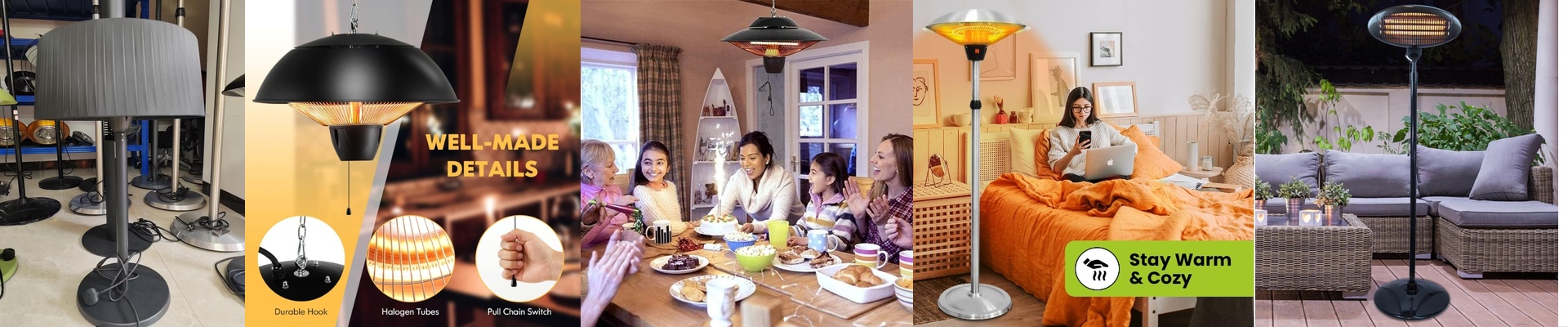
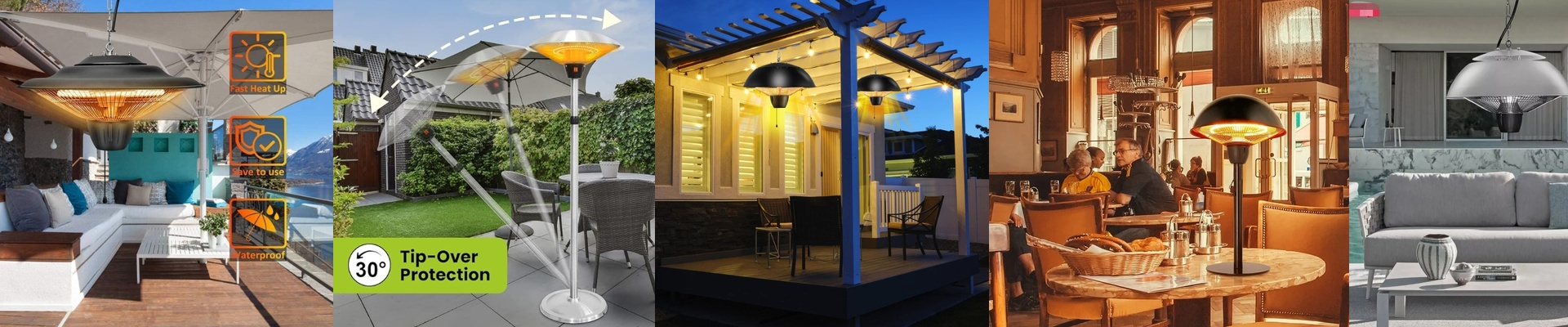

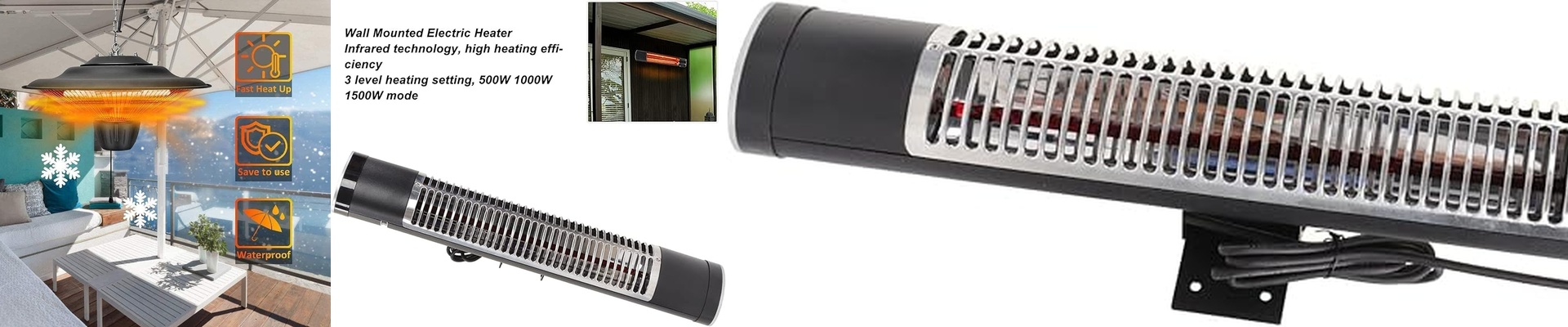
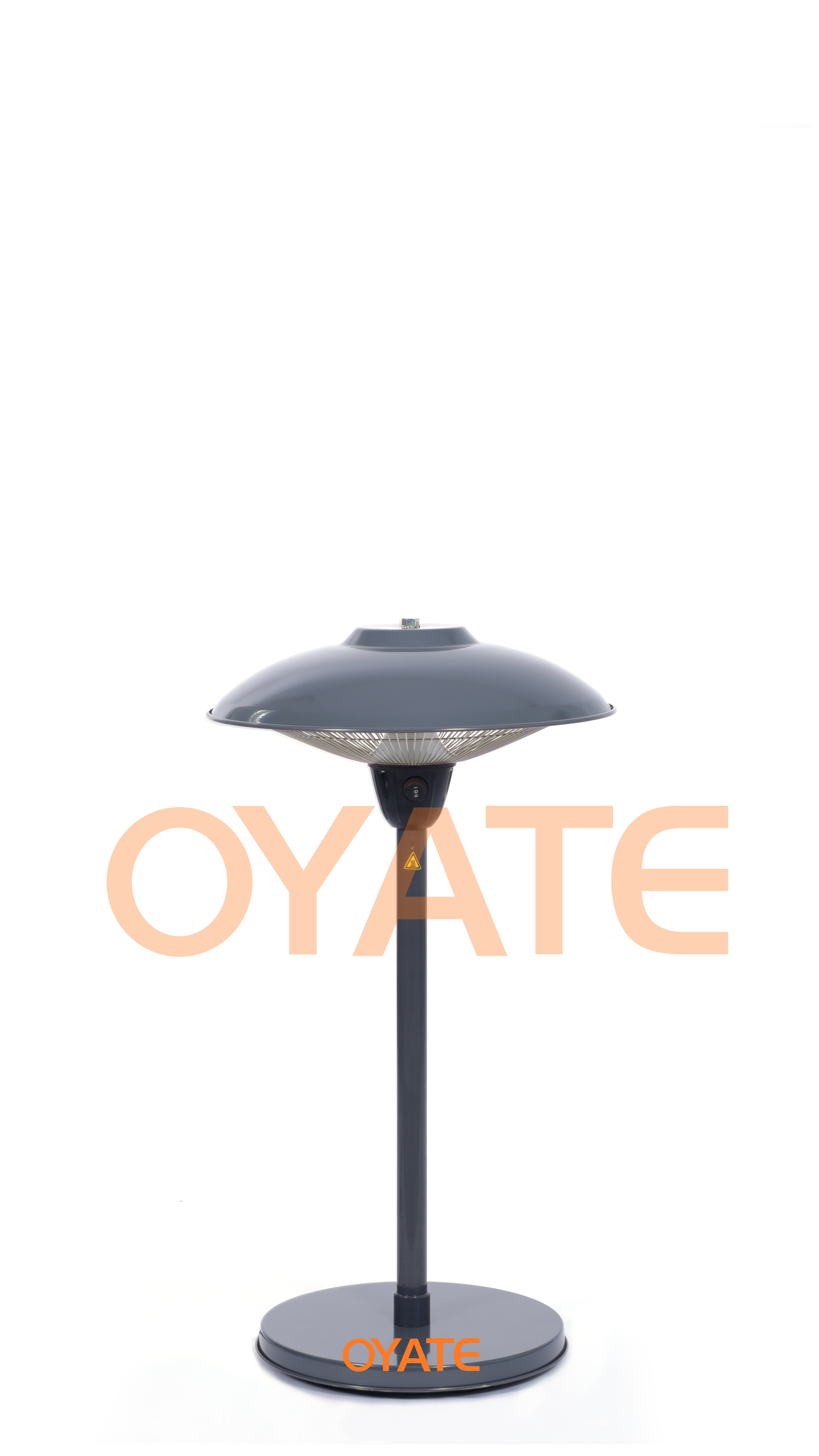
Ten years back, our shop ran on one straightforward idea: build infrared warmth that actually lasts. We spent a decade shifting from contract work to building our own line, tuning every quartz tube and every carbon fiber element until the performance held up against the top units in the field. What we landed on is a room heater made for actual homes, not just a stack of specs. What actually matters under the hood We went with a carbon fiber heating element inside a quartz tube because it delivers radiant heat that feels immediate, not like you’re waiting for a system to spin up. It runs at 120V, pulls 1500W, and throws a focused beam of infrared warmth that heats people and objects directly—bypassing the air. So you get comfort faster, with less waiting and less heat loss. The built-in thermostat keeps the room at the set point, and tip-over protection cuts power if the unit gets knocked over. Why this shines in real-world use This matters when the evening cools off and the room starts feeling drafty. With this infrared room heater, you get cozy heat without the noise of a fan and without the dry air you often get from forced-air units. It’s a natural fit for living rooms, bedrooms, and enclosed patios—places where you want steady warmth that comes on quickly. For families, the gentle radiant warmth makes a real difference during reading time, TV, and bedtime routines. A few practical notes Because infrared heats surfaces first, the warmth is most noticeable in your line of sight and within the direct coverage area. For best results, set the heater about 6–8 feet from where you sit, aim it toward the seating area, and keep it clear of curtains and furniture. It’s designed for indoor and protected outdoor use, so if it’s exposed to heavy rain, keep it covered.