

Winter has a way of shrinking a big living room down to a cold, quiet afterthought. Forced-air systems kick up dust and noise, and by the time the heat finally drifts to the far corners, you’re already reaching for another layer. The issue isn’t just the temperature—it’s the lag, the draft, and the way cold air just settles around you.
What matters, technically
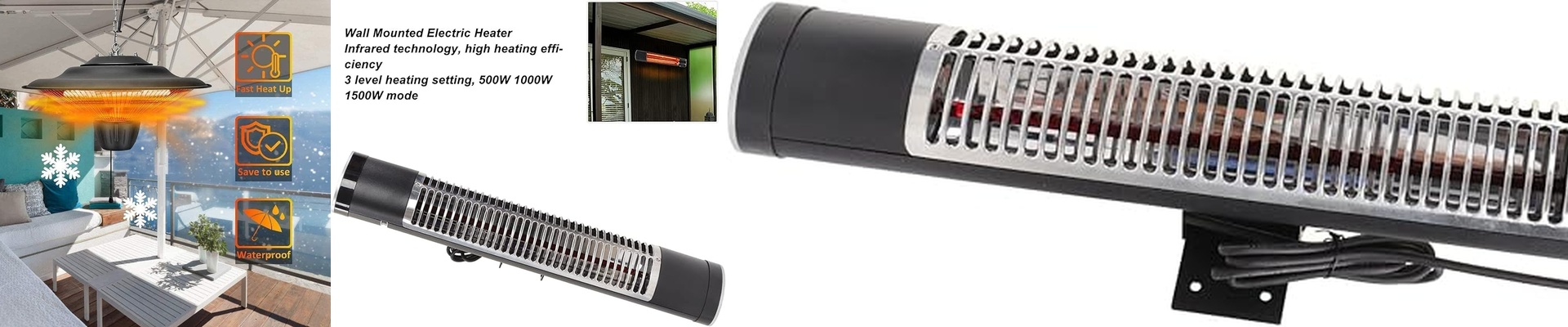
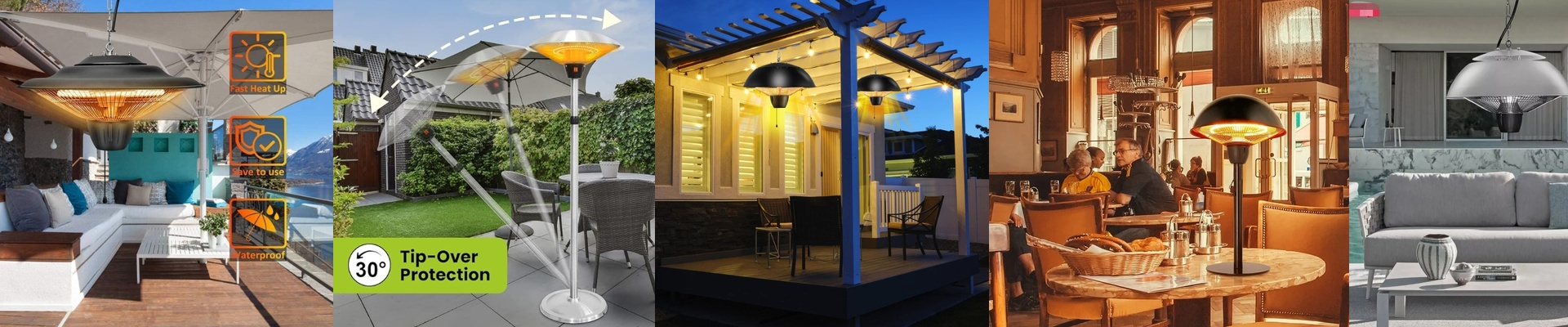
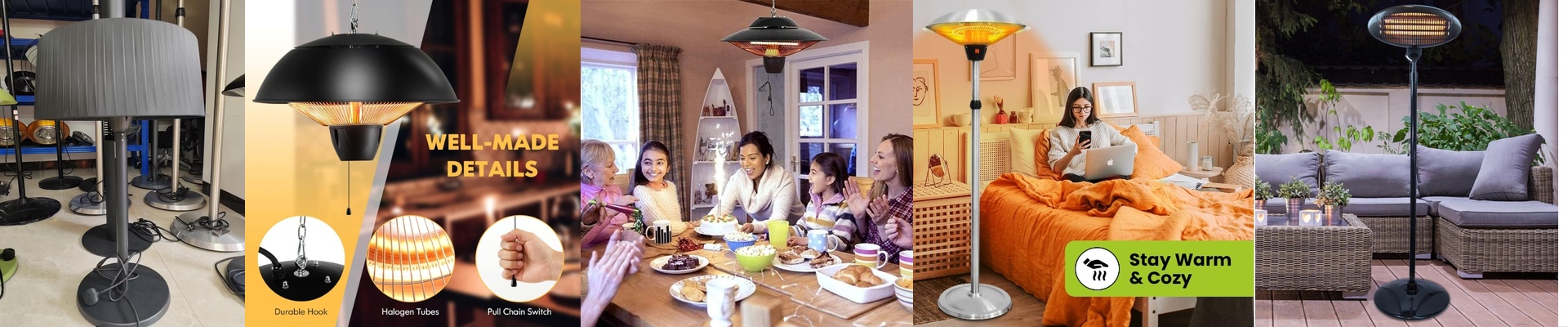
When we’re talking comfort in a large room, we lean on infrared warmth—specifically short-wave, delivered through a quartz element. Instead of trying to heat the air, the heater radiates energy that warms people, floors, and furnishings directly. In practice, you feel the heat within seconds of flipping it on, and there’s no noisy fan. Specs matter here. A 1500W electric heater output covers open areas broadly, and a built-in thermostat keeps the steady warmth from overpowering the room. The unit sits on a stable base with tip-over protection, and the heating element is built to run long cycles without the output dropping off.
Why it works in this setting
This is the kind of heat that makes a large room usable again, fast. Immediate comfort matters in winter—whether you’re reading under a lamp, moving through a living-room yoga routine, or just gathering around the table. Because it’s radiant, it doesn’t dry the air the way forced-air often does, and that gentle warmth can ease stiffness and help circulation. The payoff is a calmer, cozier home that feels ready the moment you step inside.
Things to know
Infrared heaters perform best in a space that’s reasonably insulated, and they warm objects directly—not the air between them. That’s a strength, but it also means placement matters: aim for a clear line of sight to where you spend your time. In big rooms, one unit won’t necessarily reach every corner, so consider a second heater for distinct zones. Plug into a dedicated outlet and keep proper clearances open for the best results.