Stop Tearing Apart Your Heating Tables
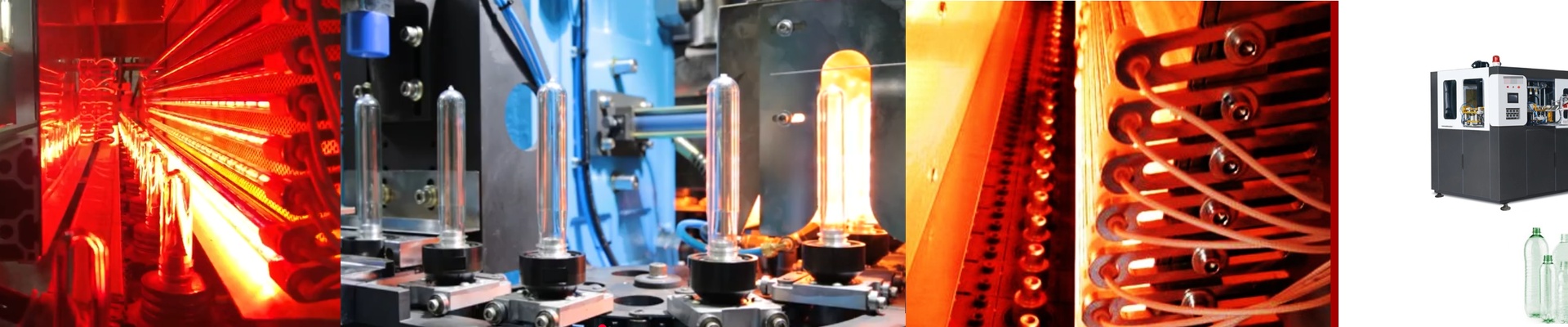
Most waterproof heating tables are built like vaults. They’ve got that IP44 rating to keep the gunk and water out, but there’s a catch. To get that seal, manufacturers usually bury the heating elements under layers of gaskets and bolted panels. It sounds great until something breaks. Imagine it’s been five years. A single heating tube burns out. Now, instead of a quick fix, your technician is spending half a day ripping the entire chassis apart just to reach one part. It’s a nightmare. We decided to do things differently. We went with a modular infrared setup. The “Drop-In” Approach Here’s the secret: we separated the heating modules from the main frame. Instead of hard-wiring everything into one giant, sealed block, each infrared module sits in its own slot with quick-connect terminals. If a tube hits its limit and dies, you don’t have to break the main waterproof seal of the table. You just pull the module, unplug the lead, and slide a new one in. What used to be a grueling afternoon of dismantling now takes about fifteen minutes. It’s a massive relief for anyone actually tasked with maintaining this gear. Keeping it Real Now, look—modular designs aren’t magic. They mean more connection points, which can be a weak spot if you’re not careful. If you use cheap wiring, the heat will melt the insulation right at the plugs. To stop that from happening, we use high-temp silicone wiring. It handles the heat without breaking a sweat. One last tip: if you’re using these in really humid spots, give your gaskets a quick check every six months. Those modular slots are the only places where a leak could actually happen. Keep them clean, and you’re golden. It’s a simple shift in thinking, but it means that five years from now, a burnt-out tube is just a minor part swap—not a total machine overhaul.