Stop Fighting Your Oven’s Temperature
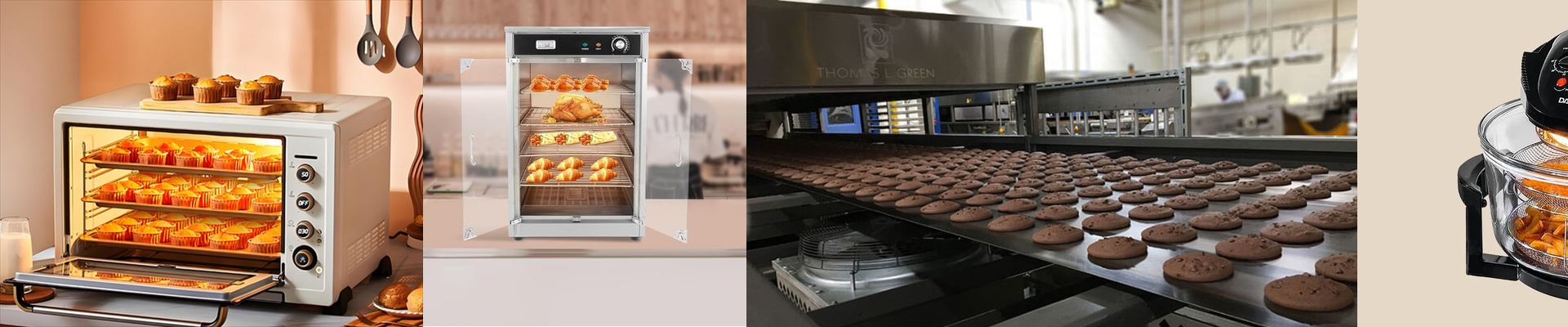
Anyone who’s spent time with a deck oven knows the frustration. You open the door, slide in a batch of cold dough, and—bam—your temperature tanks. Standard thermostats are usually too slow to keep up. By the time they realize the oven has cooled down, you’re already looking at uneven crusts or, even worse, a raw center. It’s a headache you just don’t need. We decided to fix this by pairing infrared (IR) heating elements with a system that reacts in real-time.
How the IR Fix Actually Works
Most oven elements just heat the air, which takes forever. IR is different. It sends energy straight into the product. To keep things steady, we use a closed-loop setup. An IR sensor keeps a constant eye on the surface of the baking stone or the dough itself. The second it feels a dip in heat, the controller kicks the power up. It isn’t just a clunky on/off switch, either. We use PID logic, which is a fancy way of saying the system calculates the exact amount of power needed to cancel out the heat loss. It catches the drop before the air in the oven even knows something happened.
The Tricky Parts
Of course, you can’t just throw raw power at the problem. If you pack too much wattage into a small space, you end up with hot spots that char the bottom of your bake. It’s a balancing act between the power of the elements and the heavy thermal mass of the stone. Then there’s the wiring. Because this system switches power so quickly, it can create electrical “noise.” If you don’t use shielded cables and get your grounding right, your temperature readings will jump all over the place and your elements will start flickering. It’s a detail that’s easy to miss, but it makes all the difference.
Why It Matters
At the end of the day, you just get a stable oven. You can open the door as often as you need to without worrying about the recovery time. Everything stays consistent, deck after deck. It just works.