Keeping Things Safe With Bathroom Infrared Heat
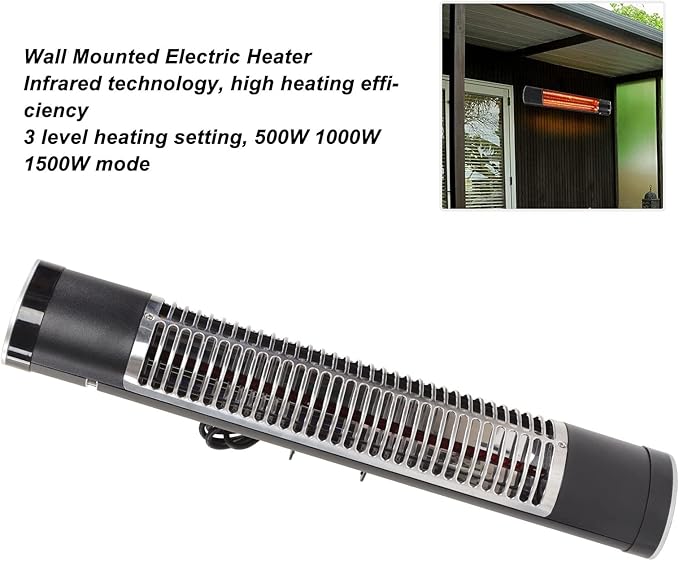
Let’s be honest: bathrooms are a nightmare for heating gear. You’ve got steam everywhere, constant moisture, and temperatures that swing from freezing to boiling in a matter of minutes. It’s a recipe for disaster if you aren’t careful. That’s why we use explosion-proof quartz glass in our lamps. Here is the deal: when a lamp is running at a few hundred degrees and a stray drop of cold shower water hits it, the glass doesn’t just “cool down.” It panics. That sudden temperature drop creates a massive amount of stress in one tiny spot, which is how standard glass cracks or, worse, shatters. Our quartz is treated specifically to handle that shock. It doesn’t just sit there being hot; it can take a hit of cold water without losing its cool. As for the heat itself, we use short-wave infrared. The beauty of this is that the quartz envelope lets the energy slide right through. The glass doesn’t soak up the heat—it sends it straight to you. You feel the warmth on your skin, while the fixture stays relatively chill. Plus, we use a high-purity silica base so the tubes stay crystal clear instead of getting cloudy and dim after a few months. But look, there are a few things you have to get right during installation. First, make sure your housing is sealed tight. You don’t want steam sneaking into the electrical terminals. Even if the bulb is tough, your wiring and connectors still need to be rated for high humidity, or you’re asking for trouble. And a word of caution on wattage. High-wattage tubes pack a punch. If you cram too many of them into a tiny ceiling space, you’re going to cook the plastic housing or melt the wire insulation. You’ve got to plan your layout and ventilation carefully. This isn’t some “plug it in and forget it” gadget. It takes a bit of thought to get the thermal layout right, but that’s the only way to make sure it’s actually safe to use.