Fixing Those Annoying Heat Spots in Your KHS Blow Molding Lines
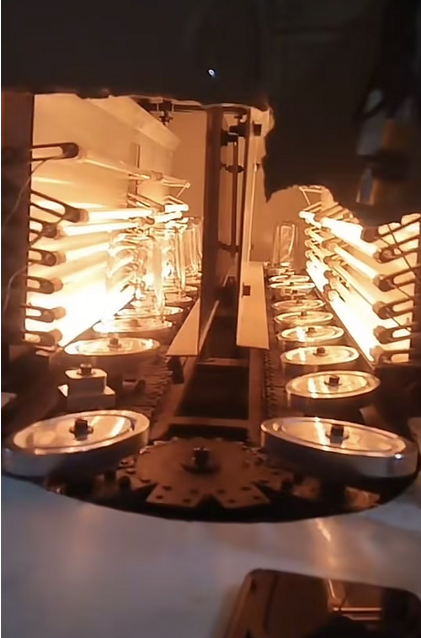
Ever pull a batch of PET bottles off the line and see that weird pearlescence or thin walls in some spots? It’s frustrating. Usually, it just means your heat field is off. A lot of shops stick with the OEM lamps because they’re scared to switch. But honestly? The high-grade quartz lamps coming out of domestic production these days are matching—and sometimes beating—those specs in real-world thermal profiling. The science bit (kept simple) If you want a uniform heat field, you need a lamp that doesn’t lose steam from one end to the other. We use a halogen-filled quartz envelope. Why? Because it stops the filament from evaporating too fast at the edges. That kills the “cold spot” effect you get with the cheap stuff. When you slide these into a KHS oven, the radiation stays steady across the whole tube. No surprises. Will it actually fit? Yes. These are drop-in replacements. They use standard R7s or SK15 connectors, so you aren’t spending your afternoon rewiring sockets. We’ve dialed in the high-voltage, high-wattage setup specifically to hit the heat density you need for fast cycle times. Plus, the quartz glass is treated for maximum short-wave infrared transmission. In plain English: the heat goes straight into the PET preform instead of wasting energy heating up your oven walls. Some real talk for the shop floor Here is the catch. Higher heat density means you can run faster, but it’s harder on your electrical contacts. If you’re pushing these to the max, do your maintenance crew a favor: check the socket tension every few months. Loose connections lead to arcing, and that’s how you burn out the ends of a perfectly good lamp. And one last thing. Keep your reflectors clean. You could have the best lamp in the world, but if your reflectors are oxidized and dull, you’re still going to have heat distribution problems. Keep them shiny, and the lamps will do the rest.