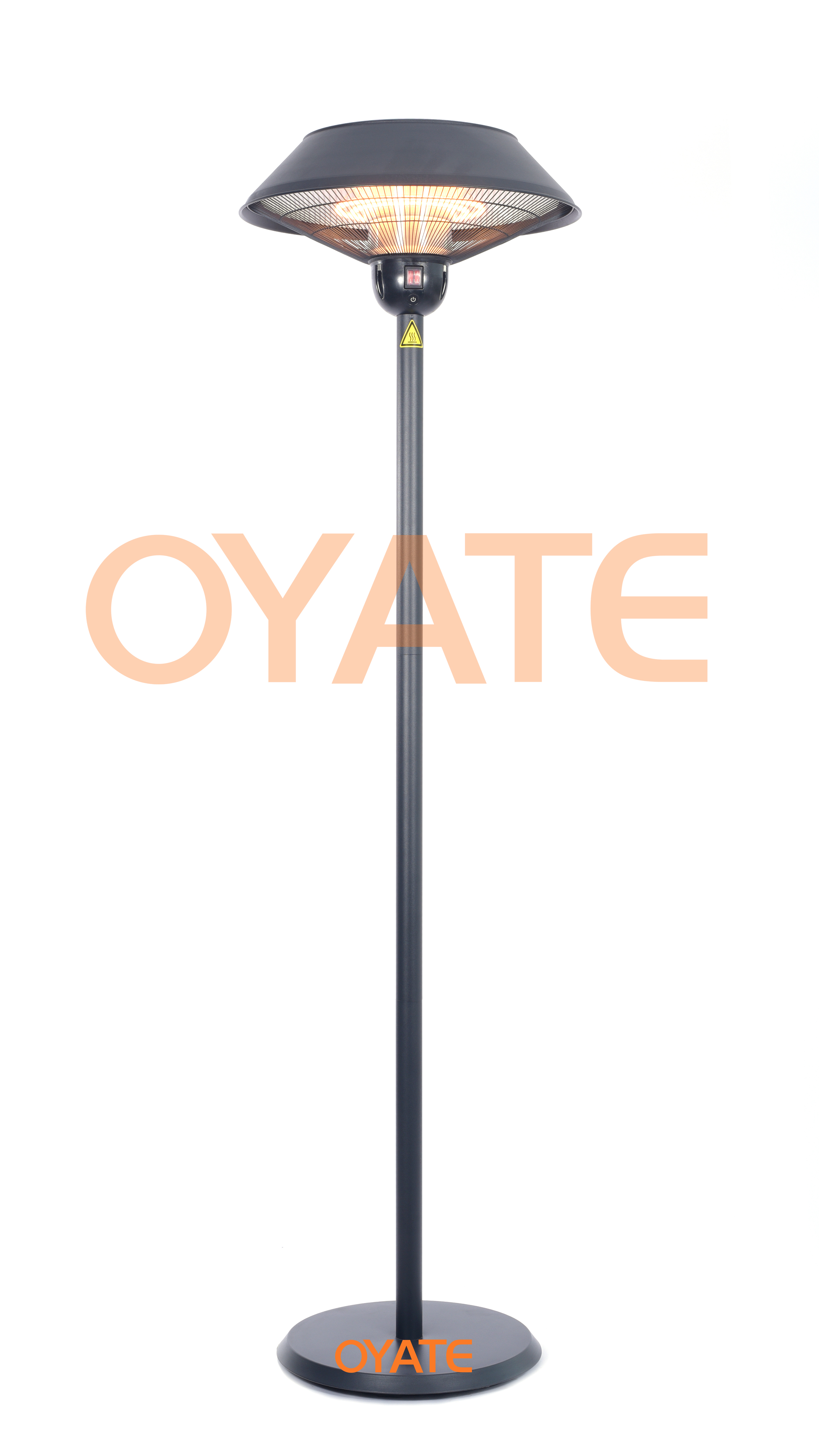
Why Your Bathroom Heater Needs “Explosion-Proof” Glass
Think about your bathroom. It’s a wild place for electronics. You’ve got thick steam, freezing cold tiles, and then—bam—you splash a bit of cold water onto a heating element that’s glowing at hundreds of degrees. In a normal piece of glass, that’s a recipe for disaster. It’s called thermal shock, and it’s basically the glass panicking because it can’t handle the sudden temperature swing. It cracks. It shatters. We don’t want that happening while you’re stepping out of the shower. That’s why we use explosion-proof quartz tubes. Now, “explosion-proof” sounds a bit dramatic, but here’s what it actually means: we use a reinforced outer layer or a high-grade fused silica. If the inner tube does happen to crack, the shards stay put. They don’t fly across the room. It keeps everything contained and safe. Then there’s the heat itself. These heaters use shortwave infrared. Instead of trying to warm up all the chilly air in the room (which takes forever), the heat hits your skin directly. It’s that instant, cozy feeling the second you turn it on. But that kind of intensity puts a lot of stress on the tube. Cheap glass will bow or just give up. We stick with high-purity quartz because it stays strong and lets those IR rays pass through without any struggle. Is there a catch? A tiny one. Because the glass is reinforced for safety, it’s a bit thicker than a raw, thin tube. You might notice it takes a fraction of a second longer to hit top speed. But honestly? It’s a trade-off I’ll make every single time. I’d rather wait an extra heartbeat for the warmth than worry about a tube shattering in a wet bathroom. Just a heads-up: make sure your wiring and housing are actually rated for the wattage. You don’t want the fixture itself getting too hot. Keep it matched, keep it safe, and enjoy the warmth.