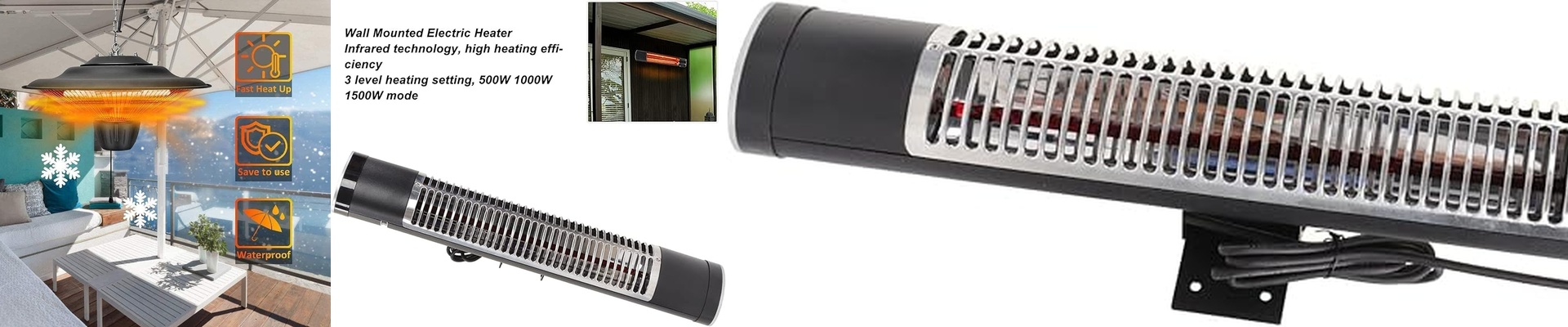
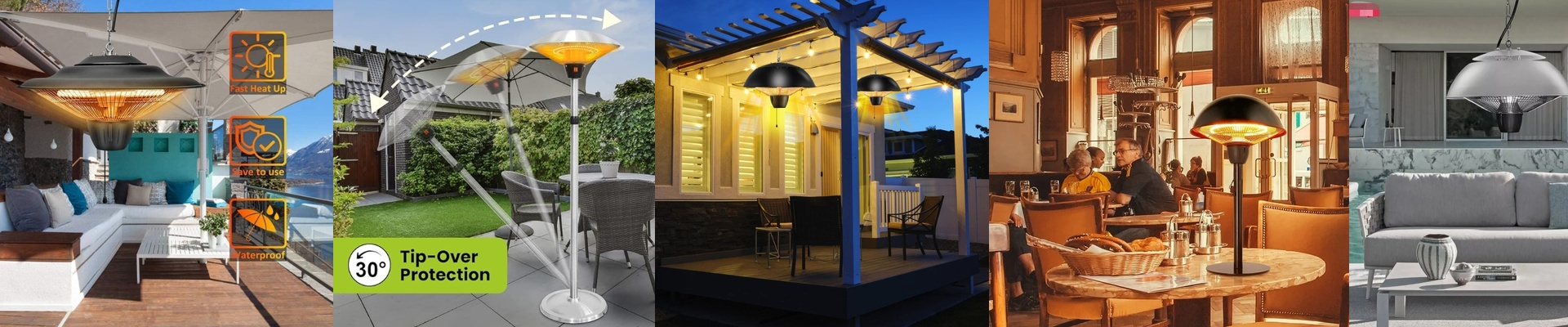
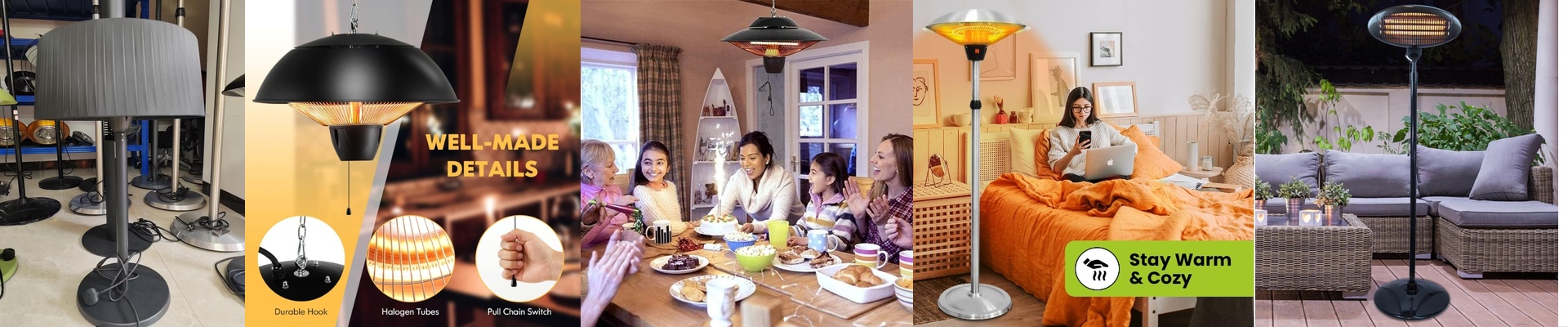
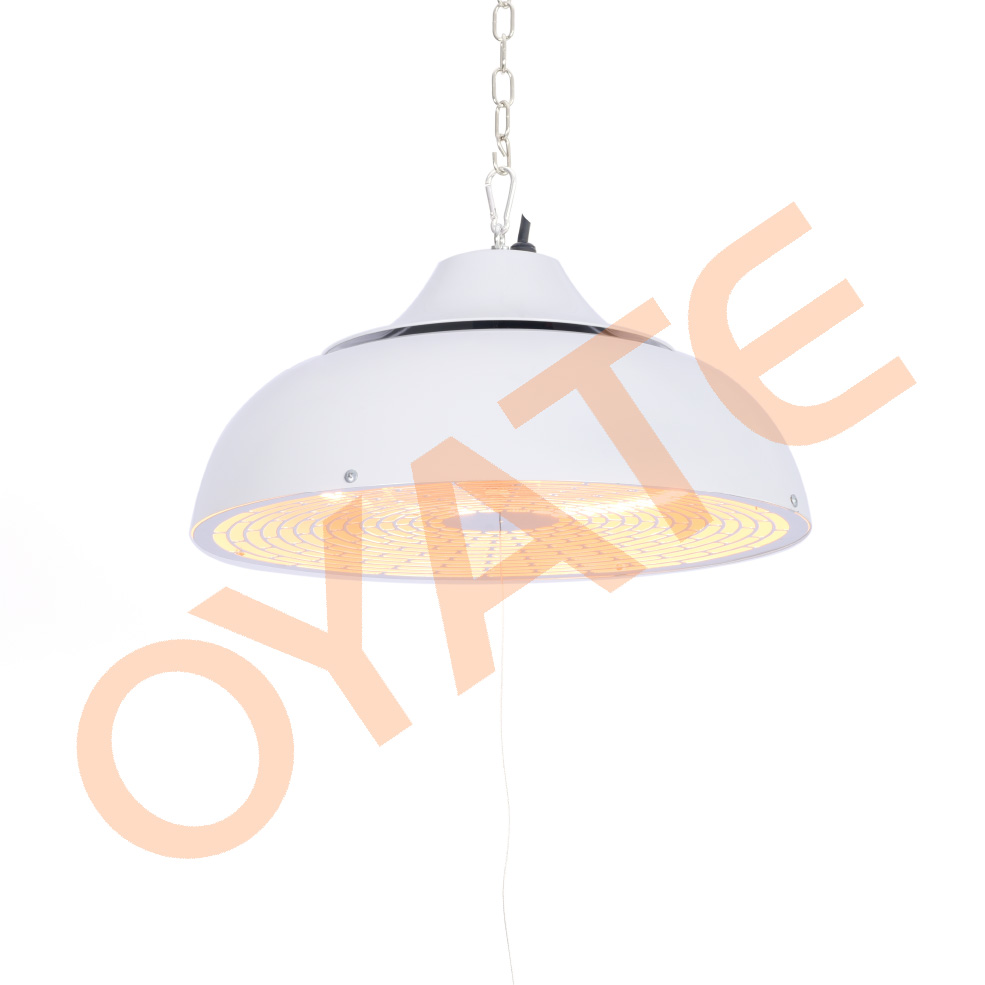
If you’ve ever run a bar or a patio, you know the deal. The outdoors is brutal. Between the humidity and the dust, your gear is basically in a fight for its life every single day. We built our infrared heaters to actually survive that. The secret isn’t some magic trick—it’s all about the seal between the heating element and the outer shell. The battle with moisture Here is the problem: water and red-hot glass don’t mix. When a tiny drop of condensation hits a hot quartz tube, it creates a “cold spot.” That sudden temperature swing causes micro-cracks in the glass. You won’t see them at first, but eventually, the tube just gives up and burns out. To stop that, we designed the internals to keep the optics clear and the moisture out. We control how the air moves around the emitter so condensation can’t settle in the first place. The result? The heat stays steady across the whole lamp, and it actually lasts. Keeping the electronics dry Then there’s the “splash zone.” Whether it’s a sudden rainstorm or a cleaning crew with a pressure washer, water loves to find its way into electrical terminals. If salt air or moisture gets in there, you get corrosion and pitting. That leads to flickering lights and voltage drops. Not a great vibe for your guests. We use high-temp silicone seals and hydrophobic coatings to block the water right where the cables enter the body. It keeps the wiring bone-dry and the connection solid. The honest trade-off Now, look—nothing is perfect. Because we’ve sealed these units up so tight to protect them, they don’t “breathe” as much as an open-air heater. This means the internal housing runs a bit hotter. Just make sure you follow the mounting clearances we suggest so you don’t overheat your brackets. It’s a fair trade. We spec these for high-traffic spots where maintenance is a total pain. We’d rather the housing run a bit warm than have you climbing a ladder to replace tubes every single season.