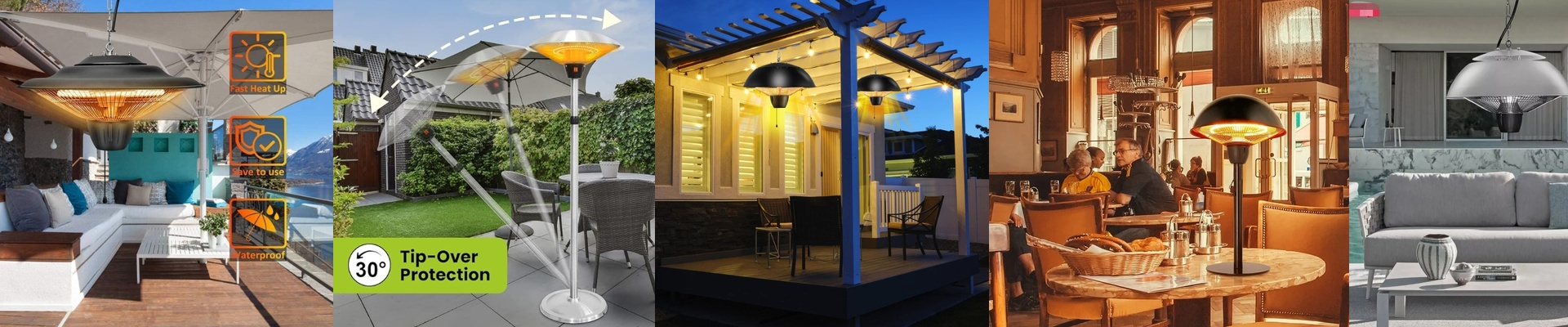

Outdoor living doesn’t end when the air gets sharp. The real issue is keeping the space usable—no cold spots, no drafts, and no crossing your fingers every time the sky turns gray. We built our approach around one idea: outdoor heating should deliver steady, controllable warmth that holds up, rain or shine.
What matters under the hood
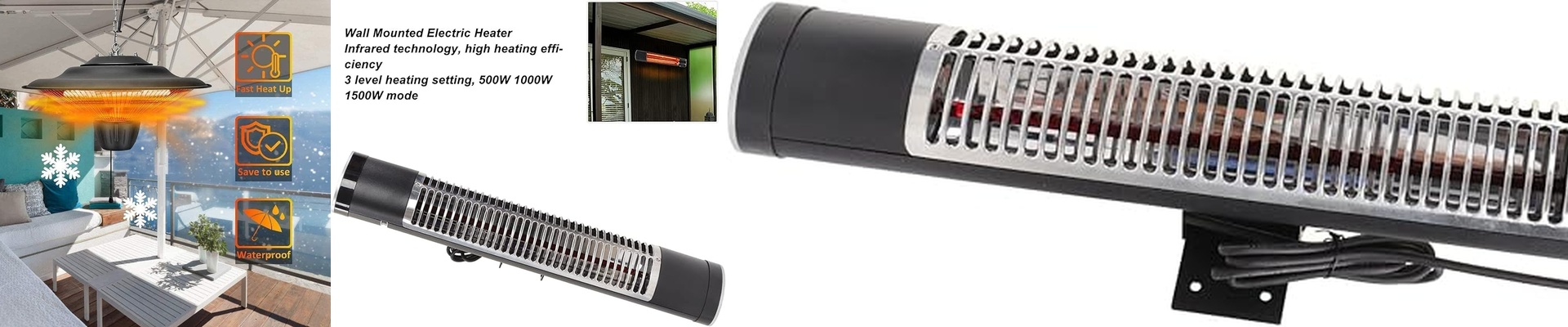
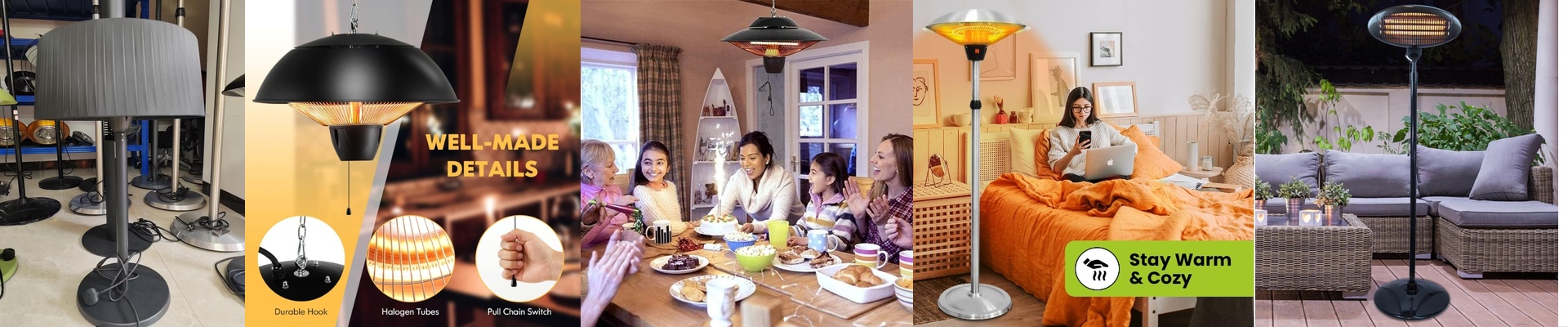
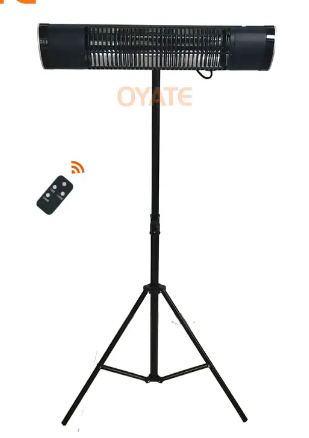
We lean on radiant heat from a high-efficiency electric element—carbon fiber or quartz-based—because it warms people and objects directly, not just the air. The payoff is comfort that feels immediate, not like something you have to wait on. The unit is engineered to be waterproof, with seals and housing that meet an IP rating for outdoor exposure. Moisture and splashes shouldn’t turn into downtime. Output is matched to real patio and deck sizes, with options that cover intimate seating areas and bigger gathering zones. Controls stay straightforward: a thermostat dial, adjustable heat settings, and a stable base with tip-over protection. The power line is rated for outdoor use, and the mounting points are built to handle steady wind and vibration.
Why this approach works in the real world
This isn’t just about nudging the temperature up a few degrees. It’s about making the outdoors feel like a natural extension of your home. With electric outdoor heating, warmth comes on fast, so conversations don’t stall while everyone waits. Coverage stays even across the seating area, so no one has to choose between fresh air and comfort. Because the heat is directed, it doesn’t just vanish into the night—energy goes where it matters, so you can extend evenings without watching the energy bill climb. In practice, that means more dinners finished under the stars, more weekends that stay outdoors, and more confidence hosting even when the forecast is unpredictable.
What to keep in mind
Electric outdoor heaters are simple to install, but placement is half the job. For the best results, mount the unit high enough to avoid glare while keeping the radiant pattern over the seating area. Keep clearances clear of curtains, plants, and furniture. Match the heater to a circuit that can handle the load, and use the correct outdoor-rated outlet and cord. In very damp coastal conditions, check the IP rating against your exposure and give the unit a quick wipe-down after heavy storms. When the weather turns, your comfort doesn’t have to.