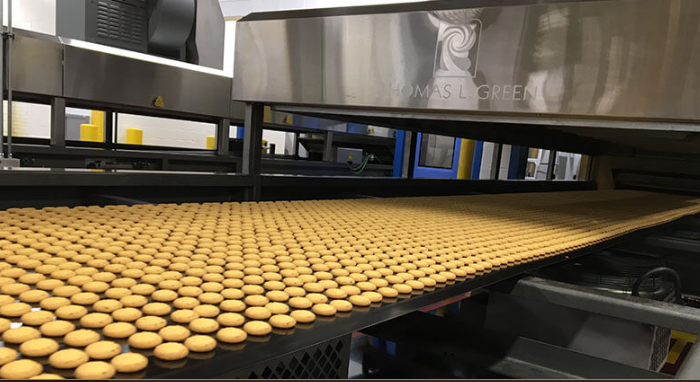
How to actually speed up your deck oven without ruining the food
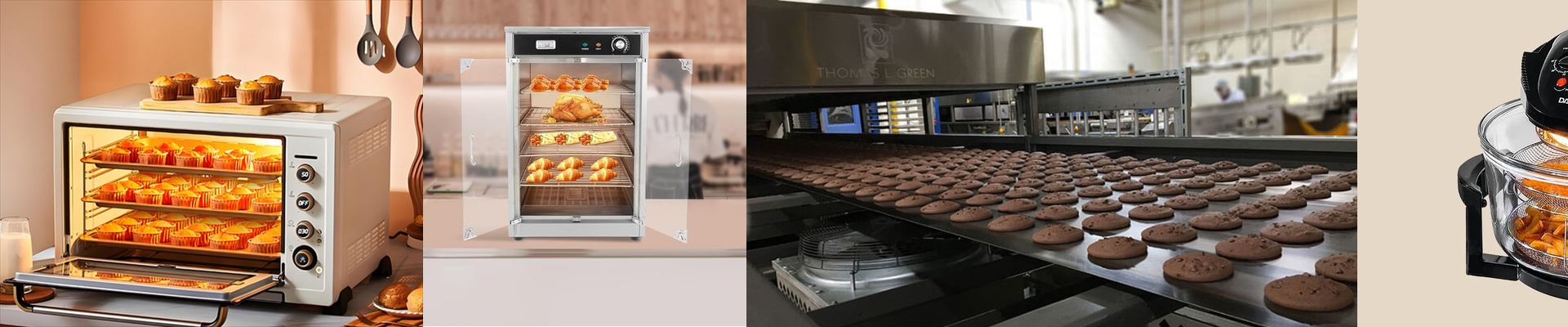
If you’ve ever tried to push more product through a food line, you know exactly where the wall is. You crank up the conveyor, but the food just doesn’t keep up. That’s because relying on hot air—convection—is slow. Air has to fight its way into the food. It takes forever. We do things differently. We use short-wave infrared (IR) heating tubes. Instead of waiting for the air to warm up, the heat hits the food surface directly. It’s radiation, not convection. The result? Your product hits that target core temperature way faster. The secret is in the heat density. To really move the needle on production speed, you need a lot of power packed into a tiny space. We use high-wattage tubes in short quartz housings to create a high-intensity thermal zone. Here is why that matters: when a fresh, cold tray slides into the oven, the temperature usually dips. With these tubes, the oven bounces back to its set-point almost instantly. You can speed up that belt and still trust that everything coming out is perfectly baked. Built for the grind We use high-purity quartz glass because it can take a beating. It handles the shock of rapid heating and cooling without cracking. Plus, it’s inert, so you don’t have to worry about weird off-gassing near your food. And we kept the connectors simple. They’re standard industrial parts. If a tube burns out, you just pop it out and slide a new one in. You aren’t spending your afternoon rewiring a control panel just to get back online. A word of caution Now, there is a catch. These tubes put out a massive amount of energy, and that energy creates a lot of localized heat. You can’t just toss these into an old, tired oven and hope for the best. Your chassis and cooling fans need to be up to the task. If you don’t have proper venting around the lamp housing, you’re going to melt your wiring or warp the frame. It’s all about balance. Pair that IR intensity with the right airflow, and your machine will stay stable and happy.