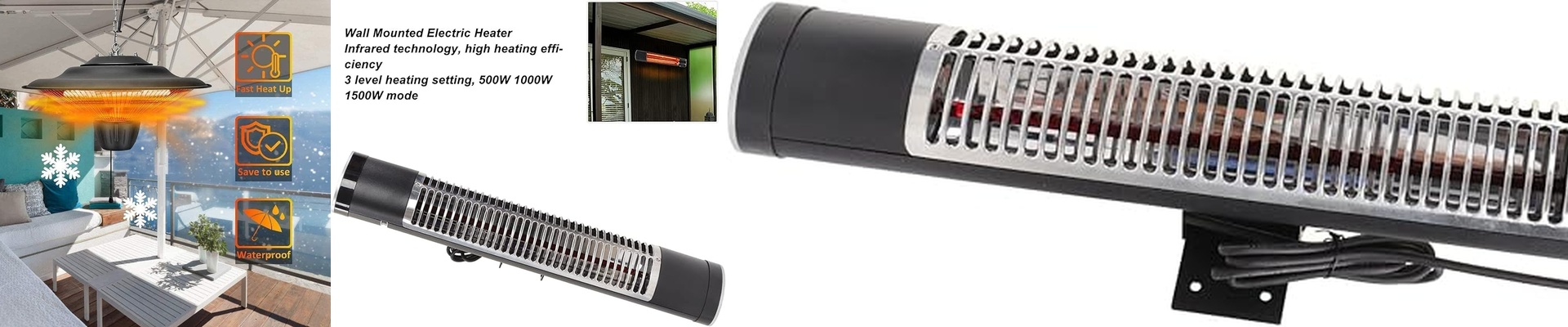
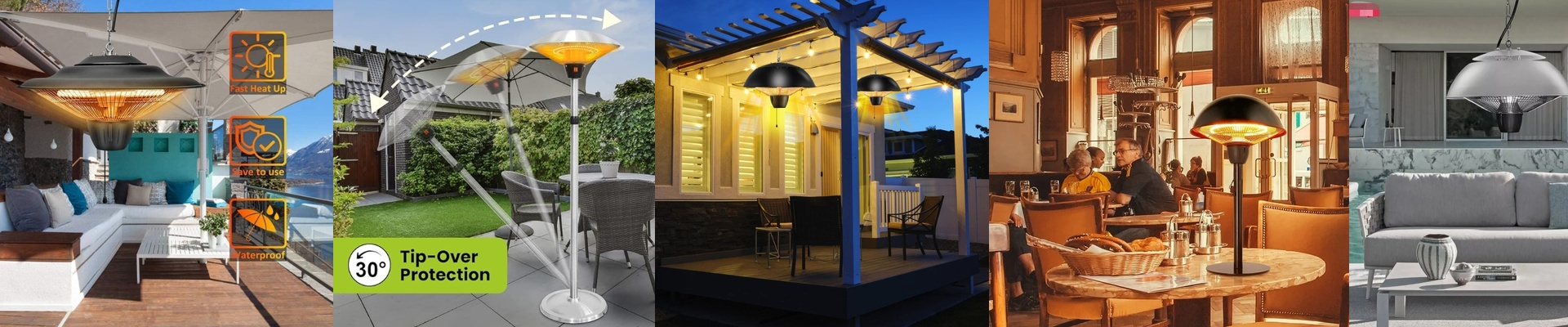
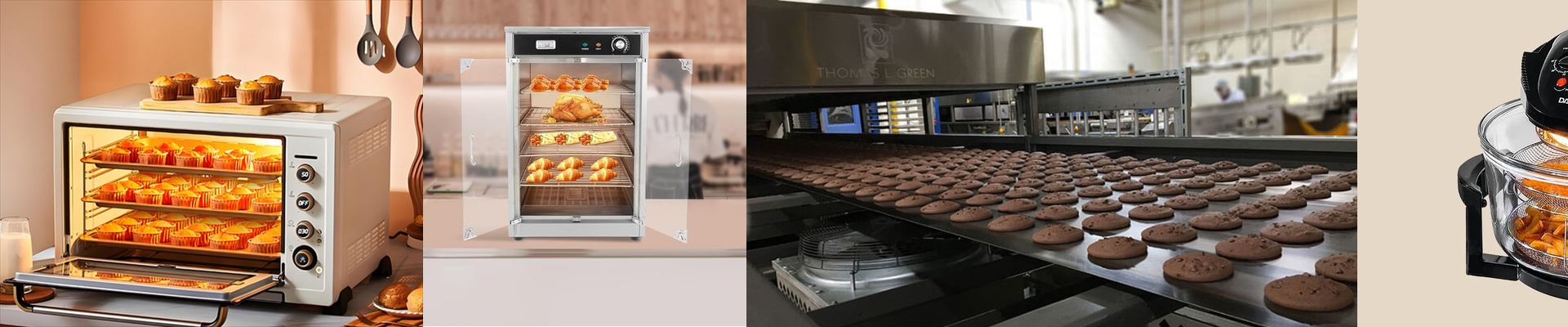
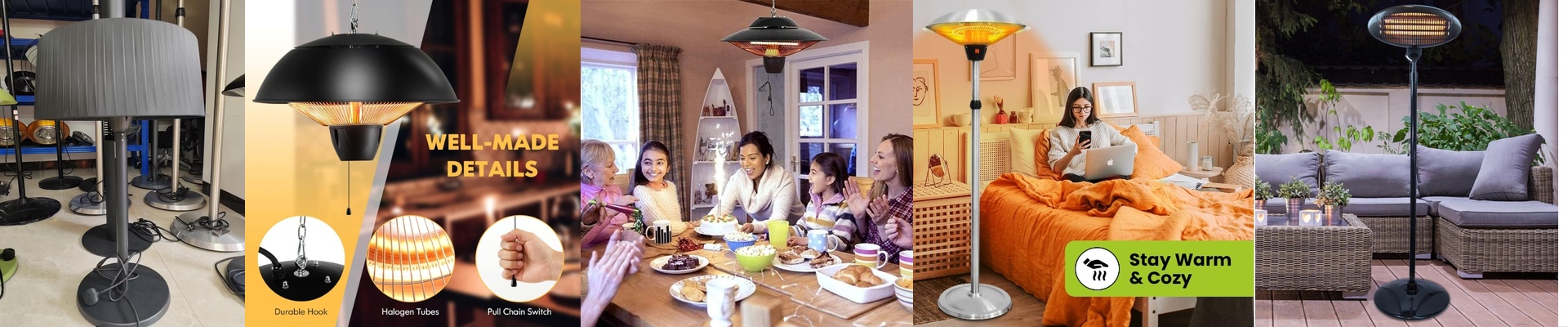
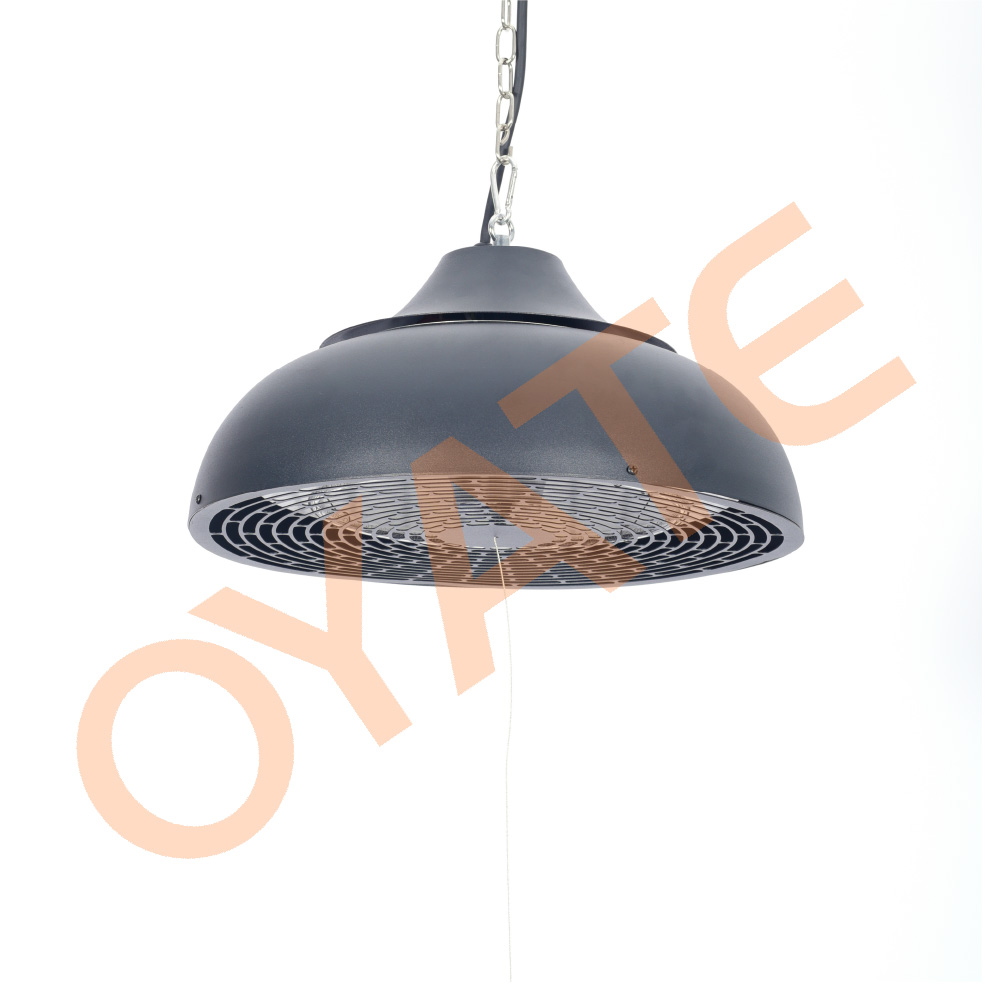
From the moment materials hit the shop floor to the point that finished heater lands on a pallet, every industrial electric heater we build has one straightforward promise: deliver heat that works—without making the environment pay the price. Out on the factory floor, uptime and comfort aren’t luxuries. A heating failure doesn’t just leave cold spots—it drags workflow down, chips away at morale, and can even trip up quality control. That’s why our infrared space heaters are built as tools, not as showpieces.
What actually matters under the hood
We lean on short-wave infrared, so you get radiant heat the moment the unit fires up. It warms people, surfaces, and equipment directly—no waiting around to heat the entire air volume. The core is a high-efficiency quartz tube paired with a carbon fiber heating element, chosen for fast response and a long service life. Most units run on 240V, with outputs scaled to fit workshops, warehouses, and semi-outdoor stations. A built-in thermostat keeps the temperature steady, and an IP rating plus a rugged housing means the heater can handle dust, drafts, and the occasional splash without blinking.
Why this approach fits production spaces
In a production environment, the real payoff is predictable comfort. Radiant heat targets the people who need it most—even near open bays—and it doesn’t waste energy fighting ceiling heat loss. That means fewer interruptions, a more consistent work pace, and operating costs that stay in check. We back it up with a practical, green manufacturing approach: responsible sourcing, cleaner processes, and less waste. So you get industrial-grade warmth with a smaller footprint. When the heater is on, you feel it fast. When it’s off, the space cools quickly—no lingering overheated air.
Practical details that make the difference
For the best results, aim the heater so the beam hits the work zone, not the whole room. Clearances matter—keep combustibles at a safe distance and match the circuit to the unit’s power draw. Infrared heat is efficient, but it shines as targeted warmth. In very open spaces, you may need multiple units to cover different areas. If you want help sizing and positioning, we can walk through layout options before you lock in the installation.