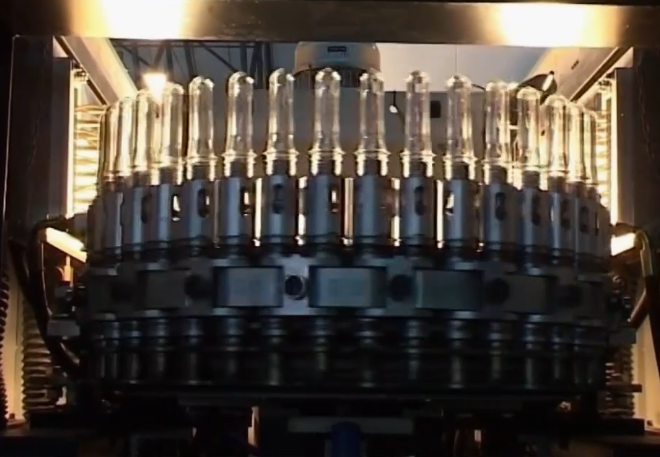
Getting the Heat Right in Sidel Matrix Ovens
Here is the thing about swapping out infrared lamps in a Sidel Matrix oven: if you get the temperature curve wrong, you’re in for a bad time. Even a tiny tweak in wattage or spectral output can throw everything off. You end up with preforms that heat unevenly, which leads to those annoying wall thickness issues or that cloudy, pearlescent look in your PET bottles. It’s a headache you don’t need. That’s why we build our replacements to match the original specs exactly. No guessing. The electrical side of things We make sure these lamps mirror the voltage and wattage of the OEM units. Why? Because a mismatch does more than just mess with the heat. It messes with your power. If a lamp pulls more current than it should, you’re looking at burnt-out contactors or breakers tripping in the middle of a run. We align the resistance values so the lamp draws exactly what the machine was wired for. Simple as that. Quartz and the “Surface Burn” It’s not just about how hot the lamp gets, but how that heat actually hits the plastic. We use high-purity quartz to make sure the short-wave IR radiation gets deep into the PET preform. If you use cheap glass, you get “surface burn”—where the outside of the plastic is scorching but the core is still cold. Not ideal. The best part? These are drop-in replacements. You don’t have to mess with your reflectors or rewire your harnesses. You just slide them in, hook them up, and your thermal profile stays exactly where it needs to be. One quick heads-up High-wattage IR lamps put out a lot of intense heat. That puts a real strain on your oven’s ventilation. If your blowers are clogged or your cooling fans are on their last legs, these lamps will basically bake your oven’s internals. Do yourself a favor and check your airflow before you install new high-output tubes. It’ll stop your electrodes from overheating and keep your lamps from dying early.