
Can a Simple Lamp Swap Actually Speed Up Your Blow Molding?
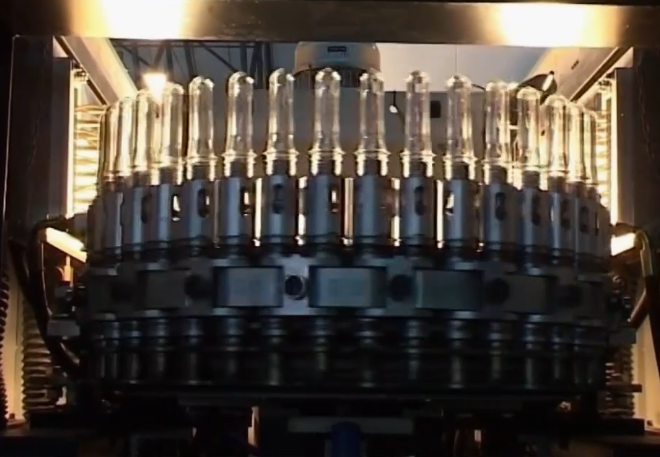
If you’re running older SIG blow molding machines, you probably know that feeling of hitting a wall. You want more bottles coming off the line, but the machine just isn’t keeping up. It’s frustrating. Before you start looking at the cost of scrapping the whole line, take a look at your heating oven. Those infrared (IR) lamps are basically the heart of the whole operation. If they’re worn out or just weren’t powerful enough to begin with, you’re losing precious seconds on every single cycle. The trick is all about heat density. To get those bottles moving faster, you need to hit that glass transition temperature quickly. It’s simple: more energy in the same amount of time. When we look at replacement lamps, we focus on the wattage-to-length ratio. Basically, we’re putting a higher-wattage tube into the same footprint to push more heat into the plastic. But here’s the catch. Pushing more kilowatts through a quartz tube puts a lot of stress on your oven reflectors. If your reflectors are dirty or pitted, that heat doesn’t actually hit the preform. Instead, it just bakes the insides of your machine. Not ideal. Let’s talk gear. We use high-purity quartz because it can handle the thermal shock without cracking. For SIG machines, the wavelength is the secret sauce. Shortwave IR sinks into the PET wall fast. Some of our replacements even have special coatings to narrow that spectrum, so the energy goes exactly where it needs to. And don’t worry about the install. We use standard R7s or SK15 connectors. They’re drop-in replacements. Nobody wants to spend their weekend rewiring a control cabinet just to get a few more bottles per hour. The reality of the swap. Changing your lamps is honestly the fastest way to get your efficiency back. You’ll notice it immediately—either your heating zone gets shorter or you can crank up the conveyor speed. Just a heads-up: higher-output lamps pull more current. Before you flip the switch, take a quick look at your wiring and contactors for any signs of burnout. Also, check your cooling fans. If they’re clogged with dust, all that extra heat will just kill your new lamps faster. Clean the fans, swap the tubes, and get back to work.