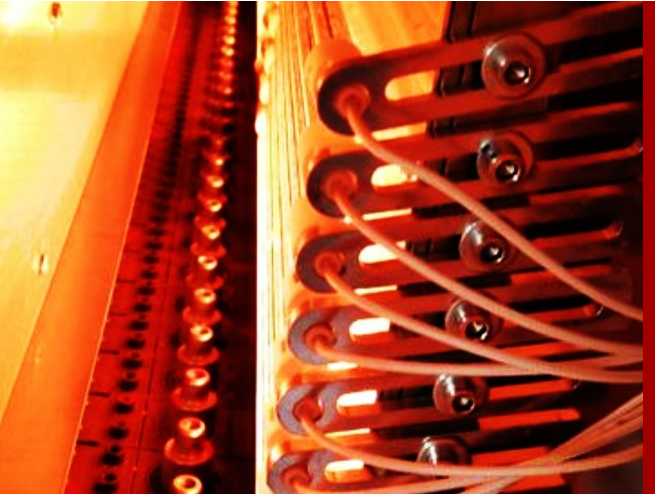
Getting Your Nissei and Sidel Lamps Right (Without the Headache)
Let’s be honest: nobody likes spending their shift fighting with a lamp that doesn’t quite fit. When you’re swapping out heating lamps for a Nissei ASB 150DP or any Sidel system—whether it’s an old SBO or a newer Matrix—you just want the thing to work. You don’t want to be rewiring the oven or hacking away at lamp holders just to get a replacement to stay put. You want a “drop-in” fit. Period. The Power Struggle We build these lamps to hit the exact electrical specs you’re already using. We use high-voltage setups to get the heat you need for rapid preforming without melting your connectors. But here’s a heads-up: if your transformers are getting old, you might start seeing voltage drops. That’s when your cycle times start to slip. It’s not the lamp’s fault, but it’s something to keep an eye on if things feel sluggish. Why the Glass Matters The quartz tube is where the real work happens. We use heavy-wall quartz because, frankly, thin glass bows under high heat. And we’re obsessive about the end-caps. If a lamp is off by even a single millimeter, it’s a nightmare to seat. We’ve dialed in the dimensions so they just slide right in. No forcing, no shoving, and definitely no stress fractures while you’re installing them. Heating the Plastic, Not Just the Surface These lamps use shortwave infrared to get the PET preform hot, fast. We use specific coatings to make sure the heat actually sinks into the plastic. Without that, you end up with “cold spots” or, worse, scorched surfaces. There is a trade-off, though. If you crank up the intensity to speed up production, the filament evaporates faster. It’s a balancing act. We’ve worked to find that sweet spot where you get a fast cycle but the lamp doesn’t burn out the moment you look at it.