How to actually speed up your bakery line
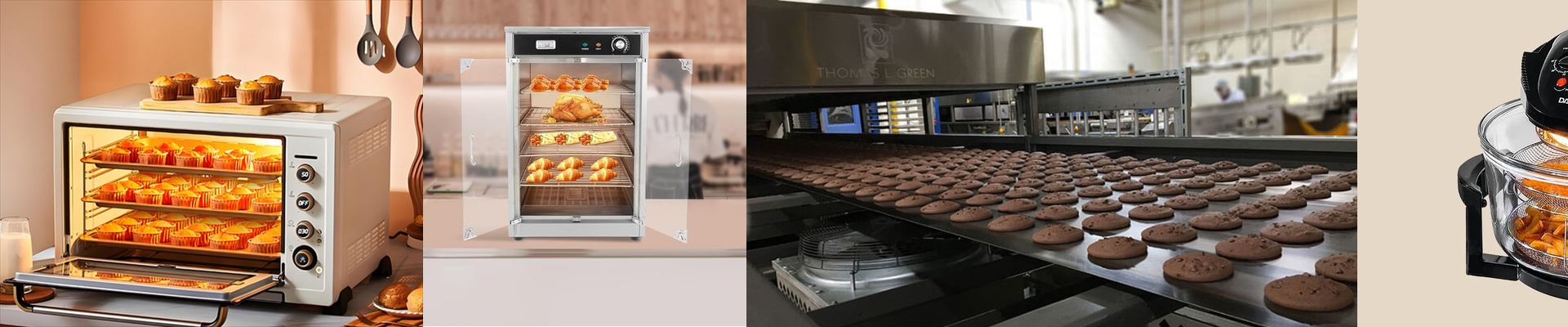
If you want to get more product out the door, it usually boils down to one thing: how fast you can get heat into the food. In most industrial steam ovens, relying on standard convection is like trying to heat a room with a cracked window—it’s just too slow for a fast-moving conveyor. That’s why we use shortwave infrared (IR) lamps. They’re simple drop-in replacements that blast the surface of your product with heat instantly. The best part? You can finally crank up the belt speed without worrying about sending undercooked bread to the packaging line. Getting the heat where it matters To move more units per minute, you need a lot of power packed into a tiny space. We look closely at the power-to-length ratio when picking these lamps. Think of it this way: steam and air have to “travel” to heat the food. IR doesn’t bother with that. It’s radiant energy. It hits the target the second you flip the switch. It’s fast. Really fast. The nuts and bolts (and how to swap them) We use standard R7s or SK15 connectors because nobody has time for a complicated repair in the middle of a shift. When a bulb pops at 2:00 AM, you can’t afford an hour of downtime. These let you pull the old tube and wire in a new one in a couple of minutes. We use quartz glass to handle the brutal temperature swings you get in a steam environment. But here’s the catch:keep the glass clean. If grease builds up on the bulb, it creates hot spots. That’s how you get cracked quartz or a dead filament way before the bulb’s time is up. A quick word of caution Shaving a few seconds off every bake cycle adds up to a lot more product per hour. But that extra power comes with a trade-off. These high-output lamps put off a massive amount of ambient heat. Before you go all-in, take a look at your ventilation and cooling fans. If your cooling system can’t handle the extra load, you might end up tripping breakers or warping your housing. It’s worth the check to make sure your hardware can keep up with your new speed.