Getting Your Old Ovens Back in the Game with Custom IR Tubes
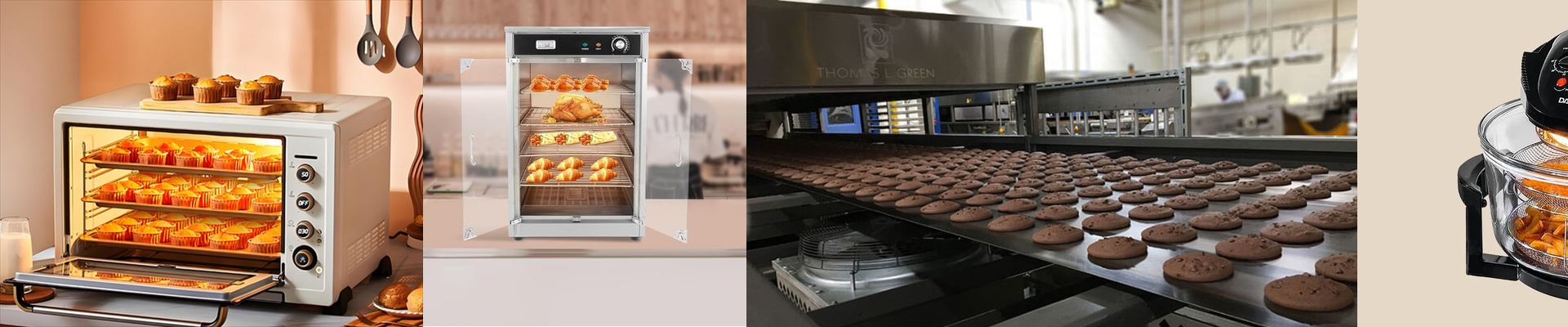
Ever notice your oven just isn’t hitting those target temps anymore? Or maybe you’ve got those annoying cold spots that mess up your batch. Usually, it’s just the heating elements wearing out. It happens. That’s where we come in. We build custom infrared (IR) lamps that slide right into your old industrial gear, acting as a direct swap for the parts that have seen better days.
Getting the Heat Right
Heat isn’t magic—it’s just a balance of voltage, wattage, and how much space the tube takes up. We build these to your exact length and power needs so the heat hits exactly like it did when the machine was brand new. If you’re running a high-voltage setup, a 400V tube gives you that extra punch you need to get things hot, fast. Just a heads-up: double-check that your power supply can actually handle the wattage. You don’t want to blow a fuse or fry the coil five minutes after installation.
The Nitty-Gritty on Materials
We use high-purity quartz glass for the tungsten filament. Why? Because it can take the heat without softening or warping. Depending on what you’re baking or curing, we can even add specialized coatings. This helps push the heat toward your product instead of just warming up the oven walls. It’s a much smarter way to use your energy. Then there’s the connection point. Honestly, this is where most things go wrong. We use R7s and Sk15 bases to make sure the fit is tight. A loose connection is a nightmare—it creates resistance, which leads to arcing and, eventually, a melted terminal. We design these to breathe and expand as they heat up so they don’t snap or fail.
Making it Work
The best part? You can boost the heating power of an old machine without having to rip out the whole chassis and buy something new. It’s a way cheaper way to get your production line back up to full speed. One thing to keep in mind, though. If you crank up the wattage to fix a “weak” oven, you’re putting more heat into the cabinet. Make sure your fans and vents can keep up. You don’t want your control board overheating just because the oven is finally getting hot enough.