
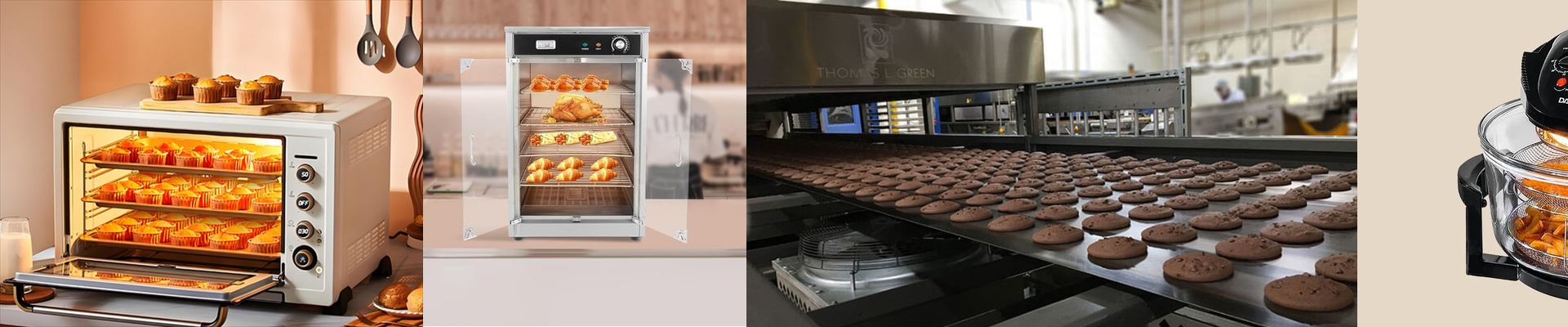
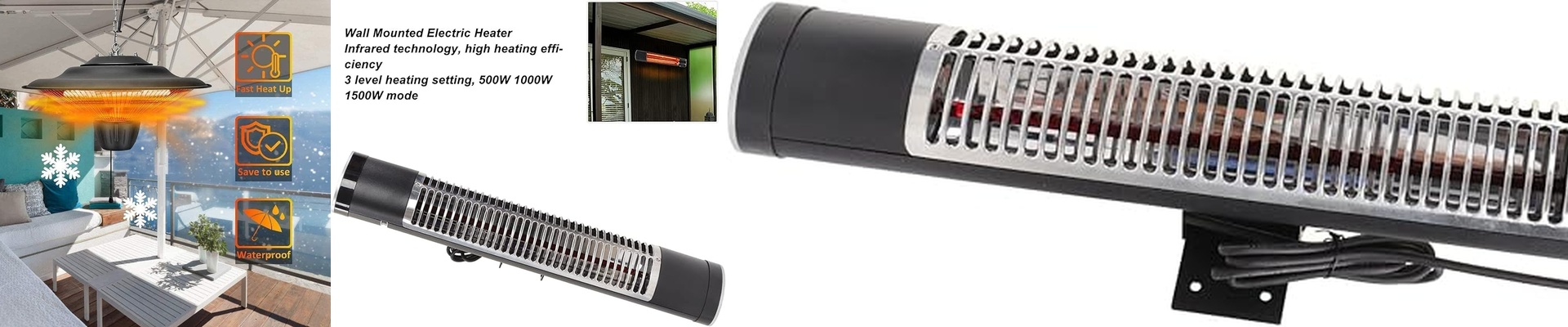

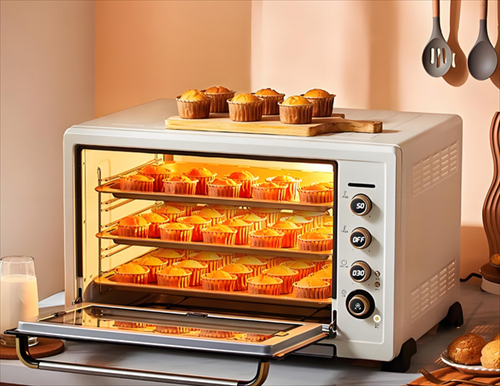
Getting Your Bread Crust Just Right with Infrared Heating
The world of industrial baking is getting a lot smarter. We’re seeing more AI-driven kitchens popping up, but here’s the catch: a fancy computer system is useless if your heating element is just a clunky “on-off” switch. If you want a smart oven that actually works, you need infrared heating tubes that react the second your PLC tells them to. The struggle with thermal lag Standard heaters are slow. They take forever to warm up and even longer to cool down. That “lag” is a nightmare when you’re trying to hit a very specific temperature window for that perfect, golden-brown crust. That’s why we use short-wave infrared quartz tubes. Instead of wasting time heating up the air inside the oven, they beam energy directly into the dough. It’s fast. Really fast. Just a heads-up on the specs: the wattage-to-length ratio is what controls your heat density. If you go for high-density tubes, you’ll hit your target temp in a flash, but keep in mind that puts a bit more stress on the quartz. Making it fit Nobody wants to spend a weekend modifying their oven chassis just to get a new part in. A replacement should just… fit. We focus on the two things that actually matter: the connector and the voltage. Whether you’re dealing with R7s or SK15 bases, the connection has to be rock solid. If it’s loose, you get arcing, and that’s a problem you don’t want. We can tweak the length and voltage so the lamp slides right into your existing housing without any drama. The balancing act Here is the honest truth: precision comes with a price. AI systems love to cycle the heat on and off rapidly to keep things exact. But if you push your tubes to their absolute wattage limit every single time, you’re going to burn out the filament way faster than you’d like. My advice? Don’t overload one single unit. Spread the power load across a few different tubes. You’ll get the same heat, but your hardware will actually last. A quick tip on setup When you’re wiring these into a smart system, keep your power supply stable. A sudden voltage spike can crack the quartz or pop a filament instantly. Double-check that your Solid State Relays (SSRs) can handle the peak current. It’s a small detail, but it’s the difference between a steady bake and a broken oven.