Why Your Cakes Collapsed (And How Twin Quartz Fixes It)
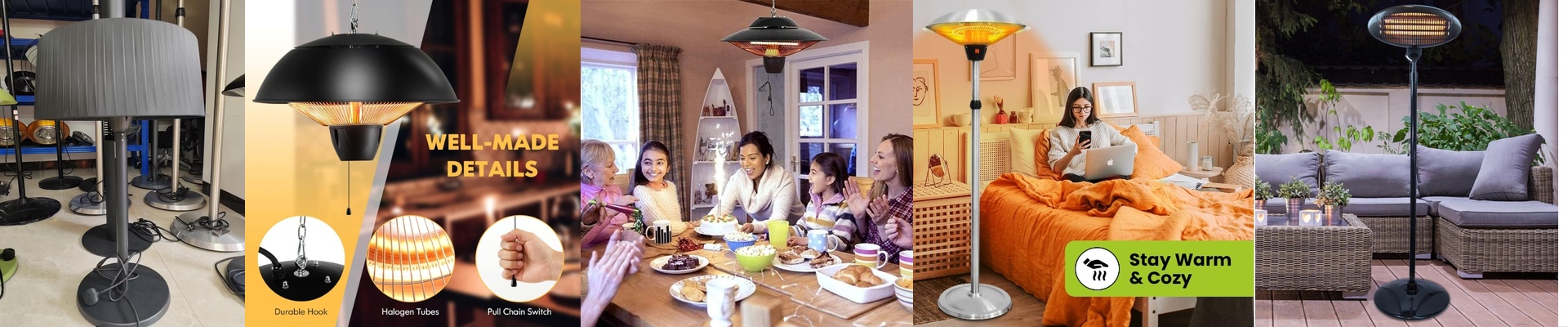
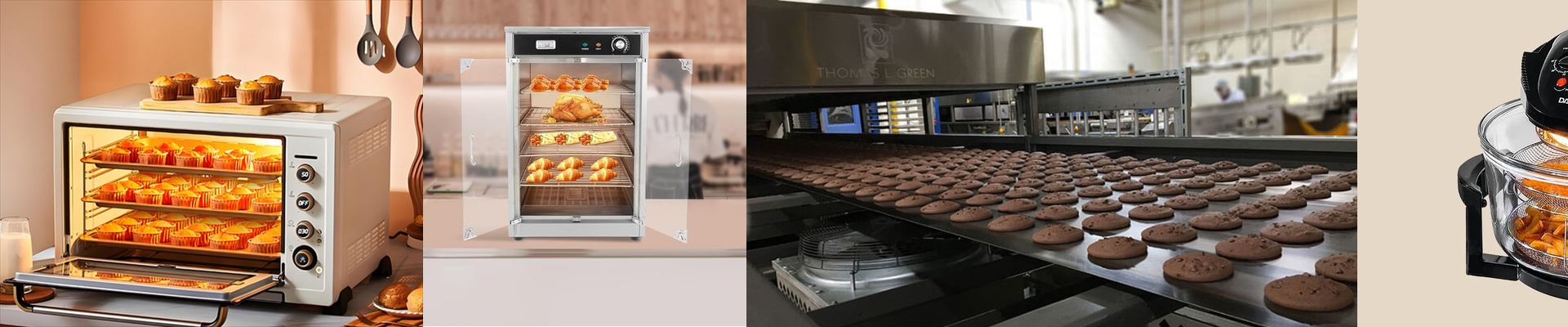
Ever wonder why a recipe looks perfect on paper, but the actual cake comes out looking like a pancake? Usually, it’s because of a hidden lie: your oven’s digital screen. When it says 200°C, you trust it. But the second you open that door to slide your tray in, the heat vanishes. Cheap heating elements are slow to wake up, and by the time the oven catches up, your delicate pastry has already given up. We decided to stop guessing and started using twin quartz tube heaters.
The magic of quartz
Here is the thing about quartz: it doesn’t just warm up the air and hope for the best. It uses short-wave infrared radiation to send energy straight into your food. By using two tubes instead of one, we’ve basically doubled the “heat surface.” It’s fast. Really fast. When the thermostat asks for more heat, these filaments ignite almost instantly. You don’t get that dreaded temperature dip that ruins a soufflé. It just stays hot.
The balancing act
Now, we can’t just crank the power to infinity. If you push too much wattage into a tube without enough airflow, the glass can actually crack from the stress. We spent a lot of time finding the sweet spot—balancing the length of the tubes with the power output. The result? Heat that spreads evenly across the whole tray. No more “burnt in the back, raw in the front” disasters.
What this actually means for you
For the person actually doing the baking, this just means the oven finally behaves. You can stop “guessing” the temperature or preheating for an hour just to make up for a leaky oven. The system holds the temperature right where you set it. Just one tip: keep your power supply steady. Voltage spikes are the only real enemy here, as they can wear out the filaments faster than they should. Keep the power clean, and the oven will take care of the rest.