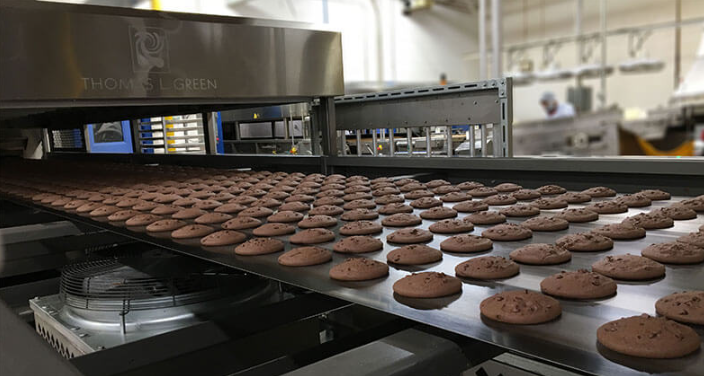
Getting That Perfect Golden Brown: A No-Nonsense Guide to IR Heating
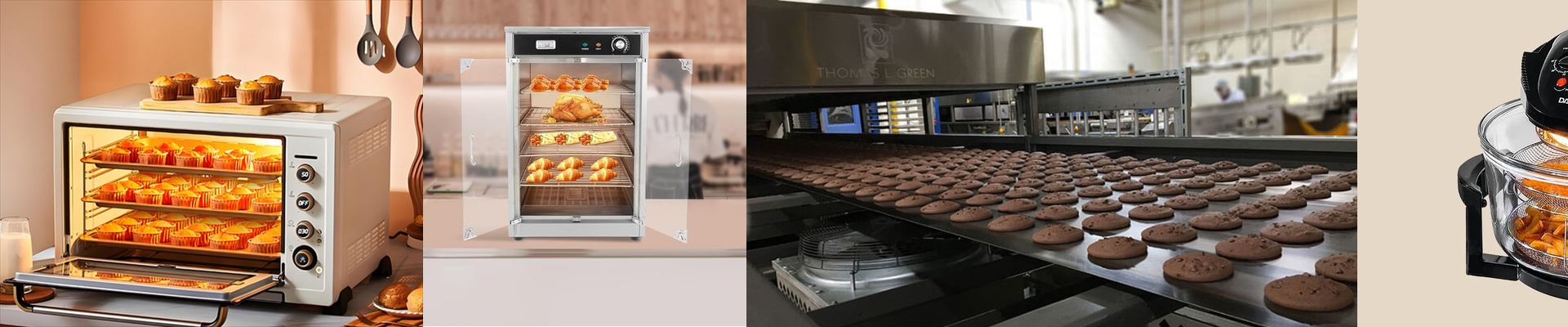
We’ve all been there. You pull a tray out of the oven and the bread is… fine. But it’s not beautiful. It lacks that deep, golden-brown crust that makes a customer stop in their tracks. The secret isn’t just cranking up the heat. If you do that, you’ll end up with a burnt crust and a raw center. The real trick is using infrared (IR) lamps to hit the surface of the dough just right, giving you that textbook color without drying out the inside. The science of the “glow” To get that Maillard reaction—the magic that creates the brown color and the smell of toasted bread—you need the right kind of energy. Short-wave or medium-wave IR does the heavy lifting here. It hits the surface fast. If the intensity is too low, your bread looks pale and sad. Too high? You’ll char the tips before the loaf even has a chance to set. We usually talk about this in terms of wattage per linear centimeter. Basically, the more power you can pack into that space, the faster the bread browns. And faster browning means you can move more trays through your oven in a shift. It’s a win-win. Finding the right fit for your oven No two oven cavities are exactly the same. That’s why we don’t do “one size fits all.” We can tweak the length and voltage so the lamps actually fit your racks. Nobody wants to rewire their entire shop just to install a few lamps. Then there’s the choice between quartz and halogen. Halogen lamps are like a light switch—they hit peak temp almost instantly. Quartz tubes are a bit more relaxed and steady, which is great for those long, grueling shifts. Just a heads-up: if you go for the fast response of halogen, you’ve got to keep your voltage regulation tight, or you’ll burn through them a lot faster. A few things to watch out for When you’re wiring these into your auxiliary circuit, keep in mind that high-intensity lamps put out a lot of radiant heat. If you don’t have decent airflow or some shielding, you might actually warp the thin metal shells of your oven. Not a great look. Our lamps are designed to be simple drop-in replacements. But before you flip the switch, double-check your power supply. If you’re running 2000W or more per lamp, make sure your contactors can handle that initial surge. Otherwise, you’re just asking for a burnout.