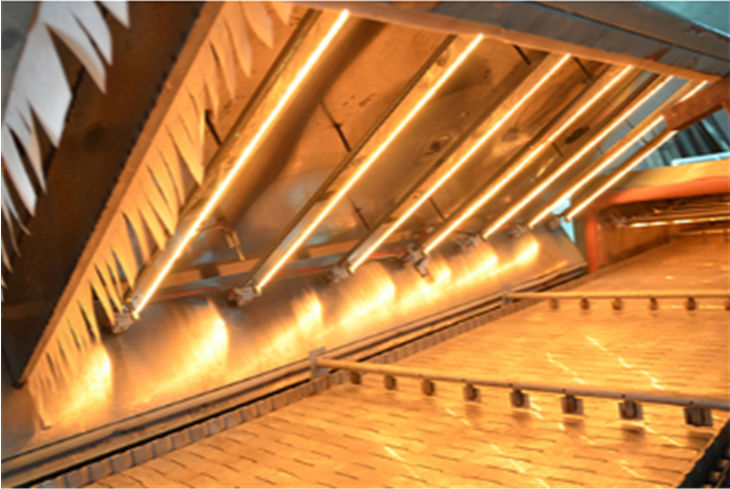
Fixing the “Final Sear” in Steam Pizza Ovens
If you’ve ever used a standard steam oven, you know the struggle. The inside of the pizza stays nice and moist, but getting that perfect, crispy crust is a nightmare. You end up waiting forever—sometimes five minutes or more—just to get the top to brown. It’s slow. It kills your flow. That’s why we started putting shortwave infrared (IR) heaters into the mix. We managed to knock that bake time down from 300 seconds to about 90. Why this actually works Here’s the thing: steam is just slow. It doesn’t move heat quickly. IR heaters are different because they don’t bother with the air at all. They send electromagnetic radiation straight into the pizza. It triggers that Maillard reaction—the magic that makes dough turn golden brown—almost instantly. By using high-wattage quartz tubes, we can blast the top of the dough with heat while the rest of the oven keeps the inside soft and airy. You get the best of both worlds. The gear you’ll actually need You can’t just throw any lamp in there. Steam is brutal on hardware. We use quartz glass tubes with special coatings that tweak the heat spectrum. This keeps the heat from just scorching the very surface and actually lets it sink into the dough. But be careful with the wiring. These IR arrays pull a massive amount of power. If your control board isn’t built for that kind of spike, you’re going to fry your relays. To avoid a meltdown, we stick with PID controllers and Solid State Relays (SSRs). It lets you dial in the power in real-time so you aren’t just guessing. The catch Speed is great, but it makes things twitchy. When you go from five minutes to a minute and a half, your margin for error basically disappears. If your conveyor belt drifts by even 2%, you’re not looking at a perfect crust anymore—you’re looking at charcoal. You absolutely have to use precision motor drives. Plus, these heaters put off a lot of extra heat inside the oven chassis. Make sure your exhaust fans can actually handle the load, or you’ll end up cooking your own electronics.