
Getting Your Steam Oven Temps Right
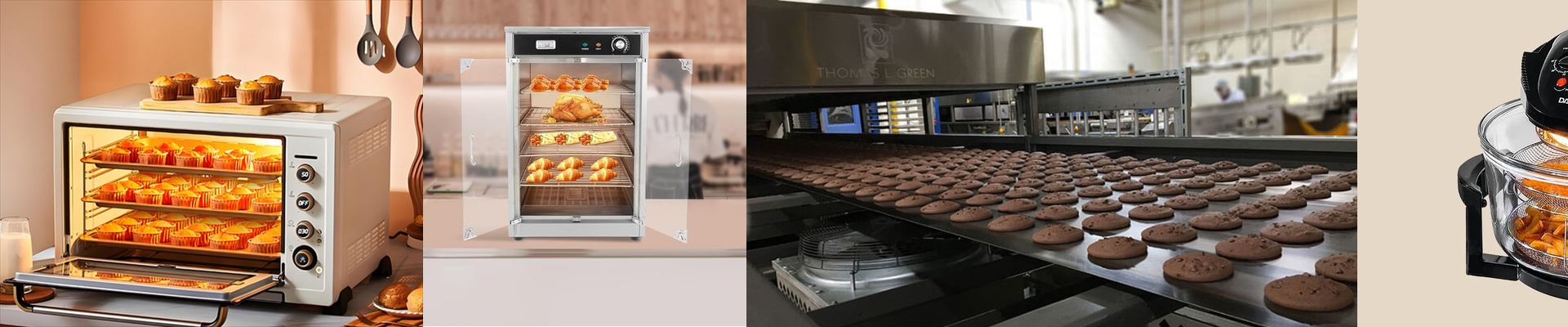
Steam ovens are a tricky balancing act. You’re juggling moisture and dry heat at the same time. If you’ve ever pulled a batch out of the oven only to find a collapsed center or a crust that’s burnt in some spots and pale in others, you know exactly why. It usually comes down to the heating tube. If it can’t hold a steady temperature, your bake is a gamble. We build our tubes to stop those annoying temperature swings.
Why Stability Actually Matters
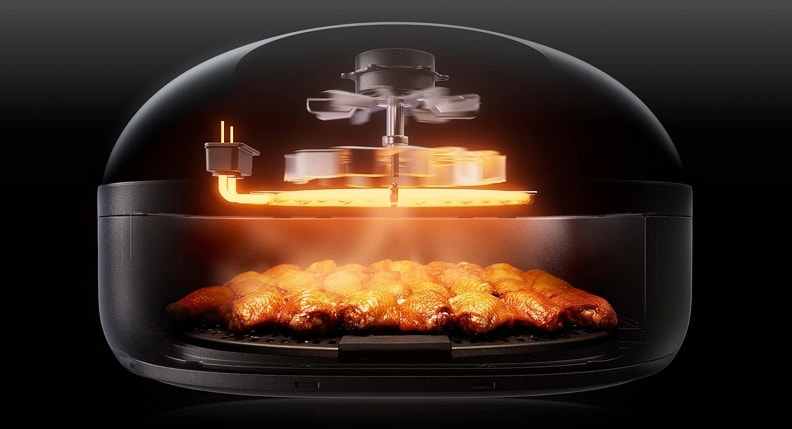
Here’s the thing: if a heating element is too “sluggish,” it can’t keep up. We use a specific alloy mix so the tube reacts the second the controller tells it to. When a tube takes too long to heat up or cool down, it overshoots the mark. That’s how you get those dreaded “hot spots” in your oven. We’ve spent a lot of time tweaking the wattage density across the tube to make sure the heat spreads evenly. No surprises.
Fighting the Steam
Steam is brutal. It eats through standard heating elements, causing them to oxidize and burn out way faster than they should. To fix that, we use specialized coatings on the outside of the tube. It keeps the corrosion away and handles the constant expanding and contracting as the oven heats and cools. It just holds up. One quick tip: double-check your wiring. If your connectors aren’t rated for the tube’s voltage, you’ll get voltage drops. It’s frustrating because your screen says you’ve hit the target temp, but the oven actually isn’t there.
The Trade-off
Using high-precision tubes makes life a lot easier for the person baking. You get consistent results, period. But there is a catch for the people building the machines. Because these tubes are so precise, your relays and SSRs (Solid State Relays) have to work harder. They’re switching on and off constantly to keep that temperature locked in. Just make sure your electrical components are beefy enough to handle that high-frequency switching, or you’ll be replacing parts much sooner than you’d like.